Learning Activities for Toddlers and Preschoolers
Letters, numbers, colours, sorting and stories, done as games on the floor rather than worksheets at a table. The ideas here run from picture card naming and shape sorters for one year olds to tally charts, word building and home-made story books for five and six year olds.
33 ideas
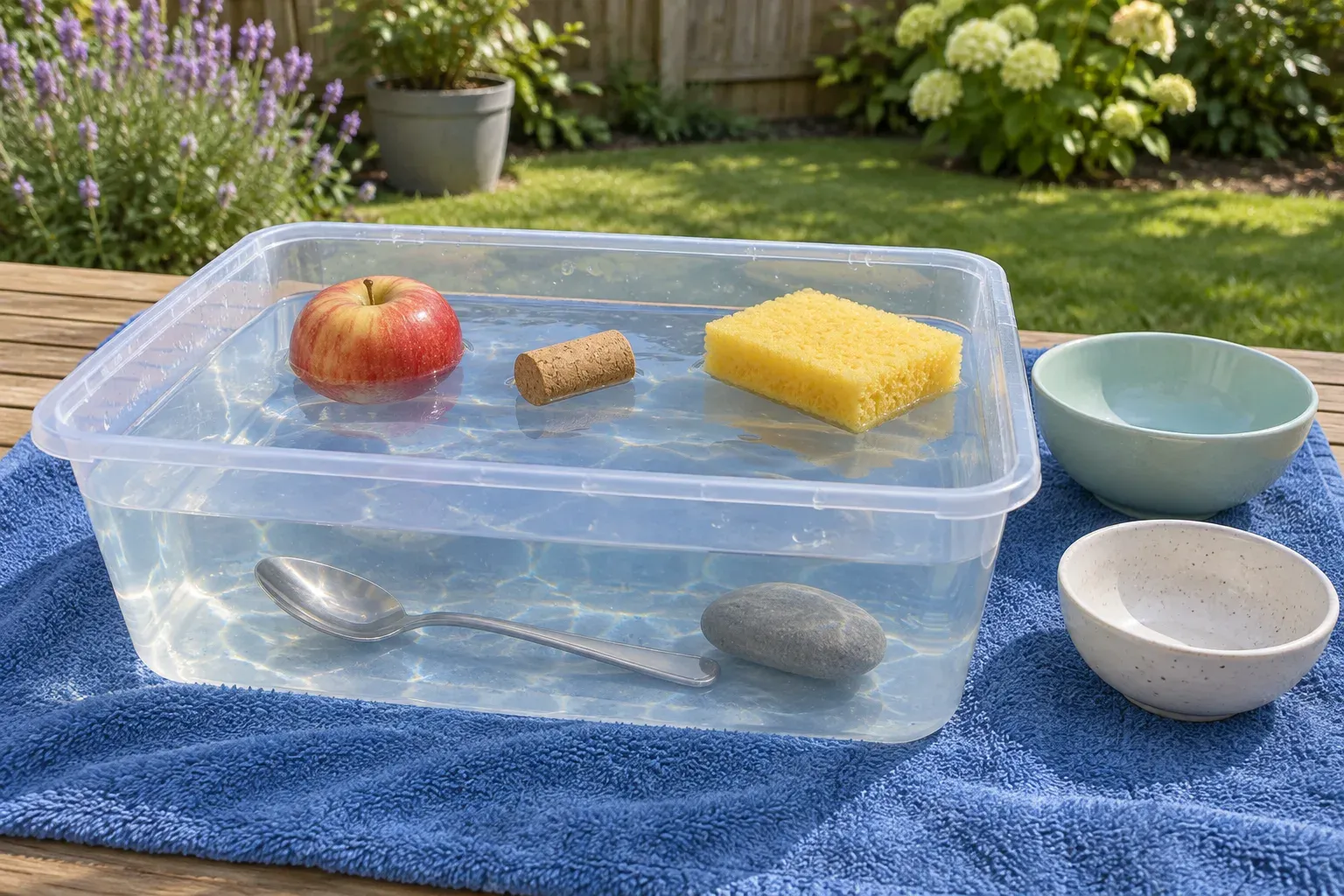 Learning Sink or float Guess whether everyday objects will sink or float, then drop each one into a tub of water to check.
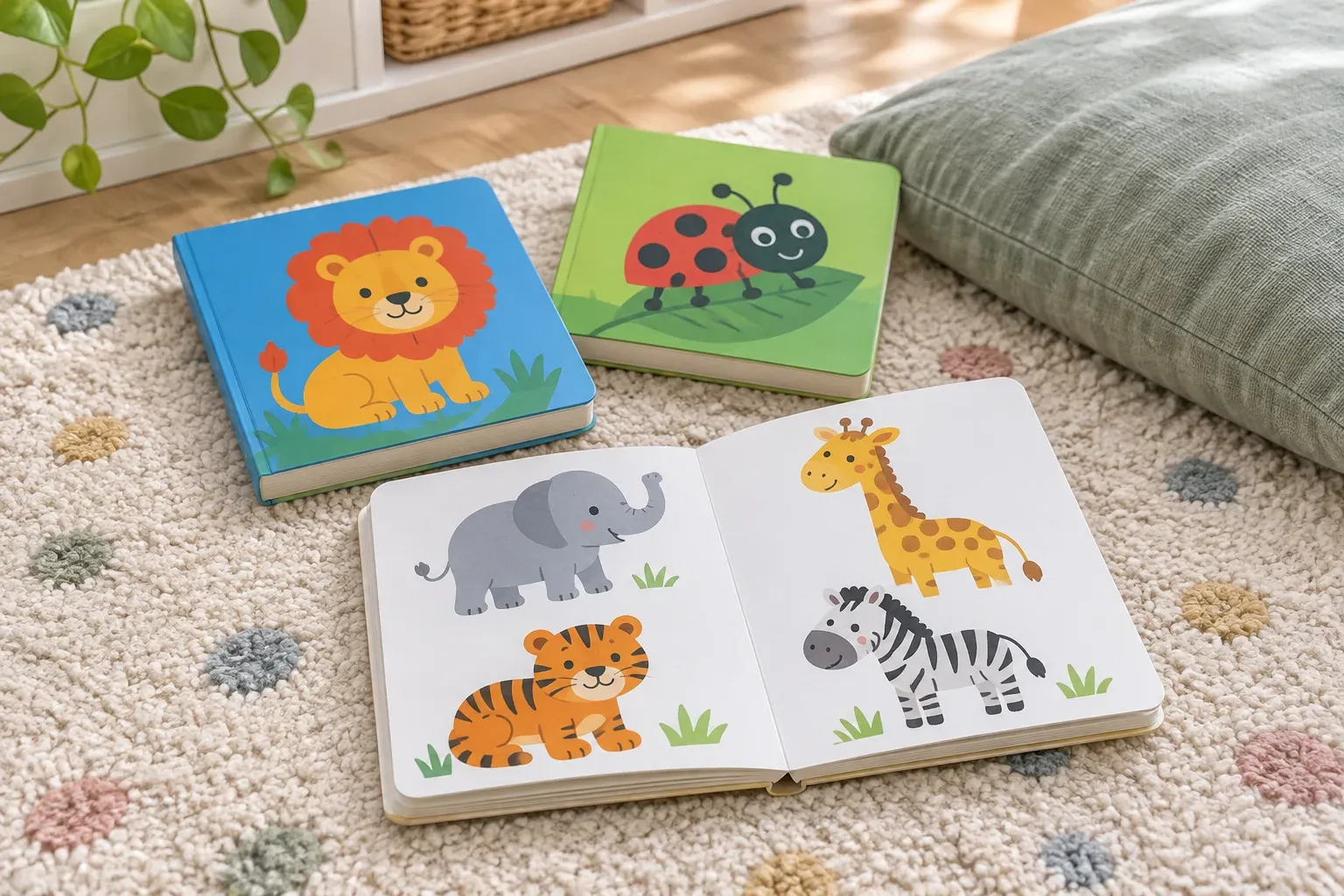 Learning Board book browsing Pick two or three sturdy board books, turn the pages together, and point out the pictures you spot.
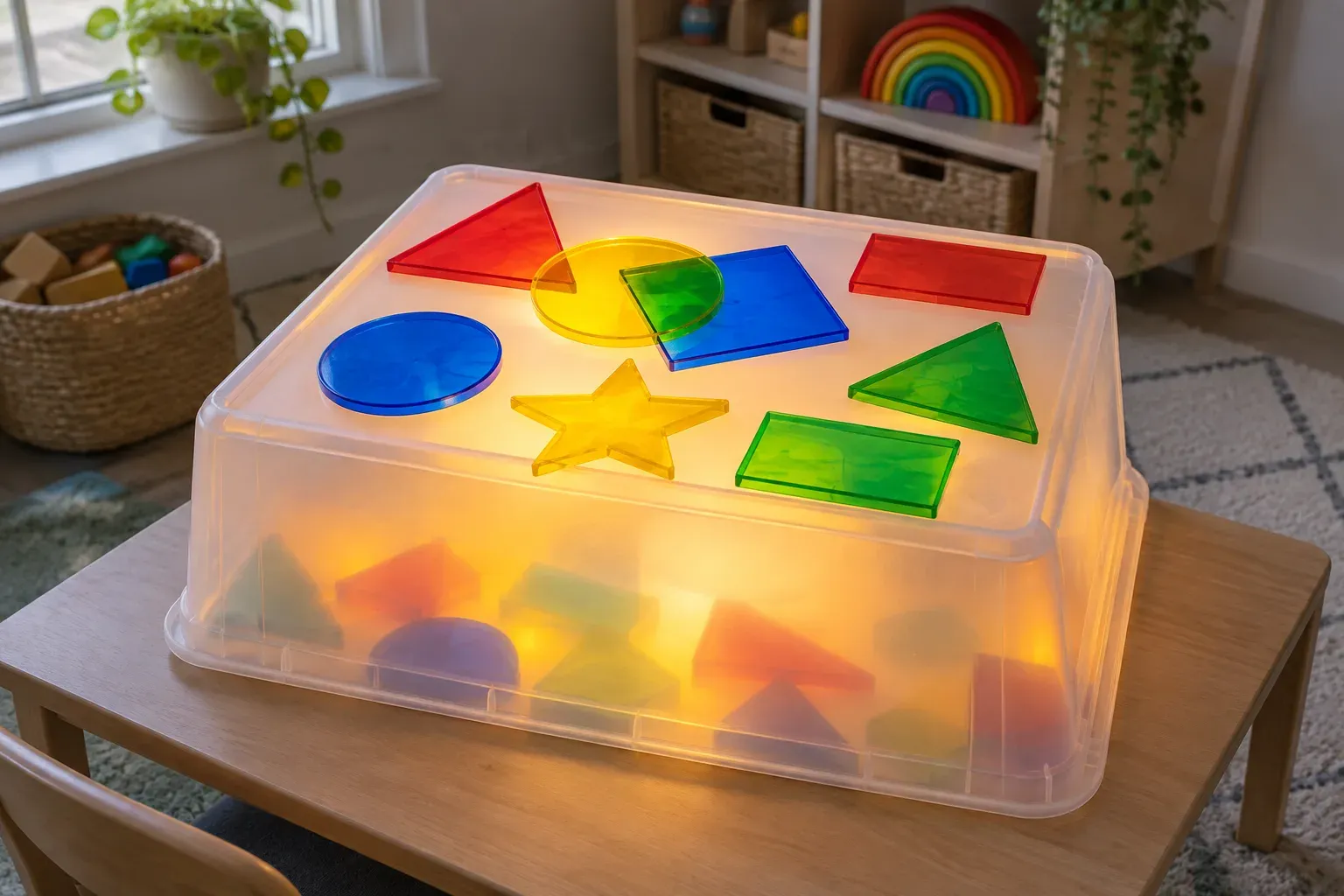 Learning See-through shapes on light Lay coloured see-through shapes on an upturned tub with fairy lights inside, and overlap two colours to make a new one.
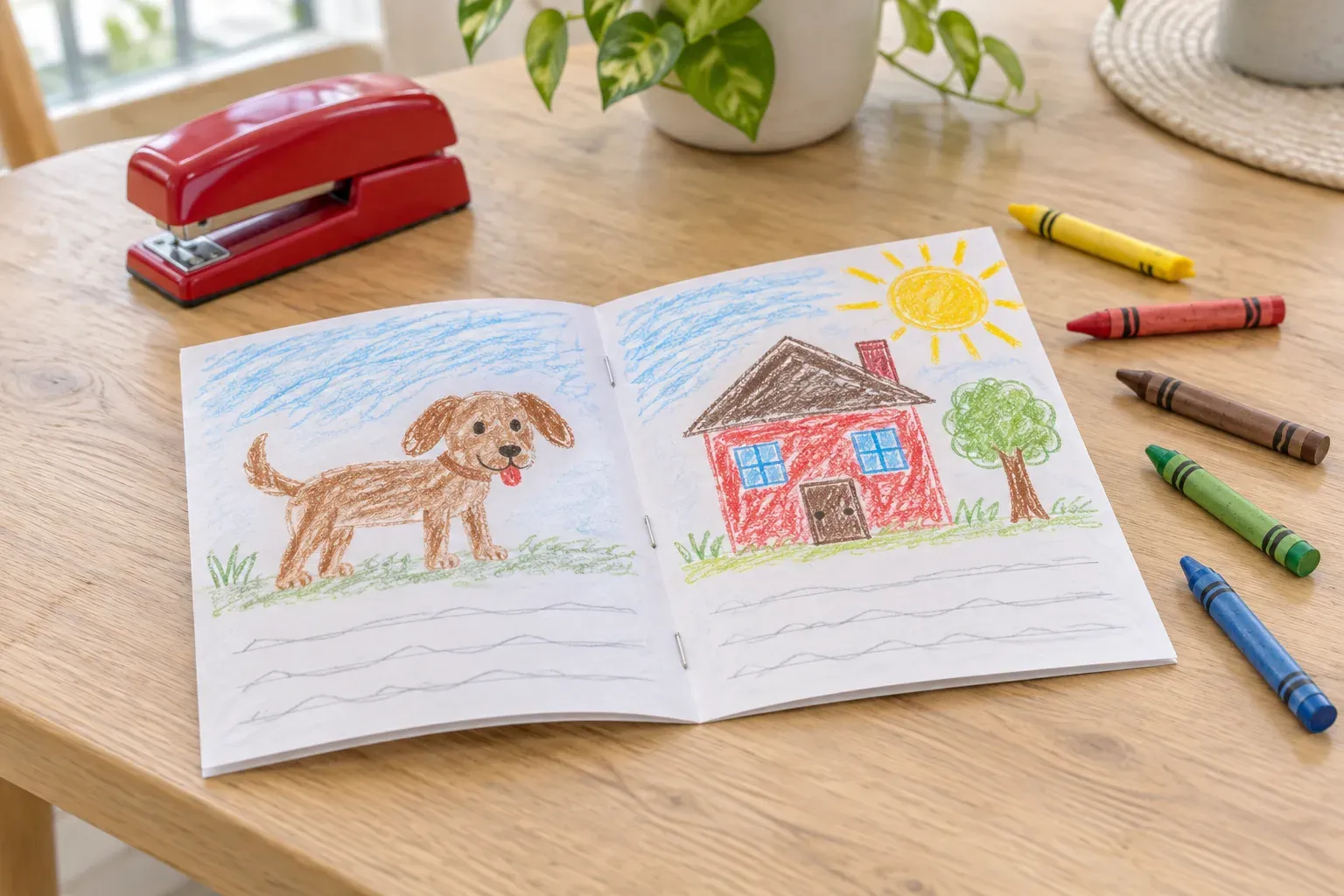 Learning Tell-and-draw story book Fold and staple a blank booklet, write down a story as your child tells it, then they illustrate every page.
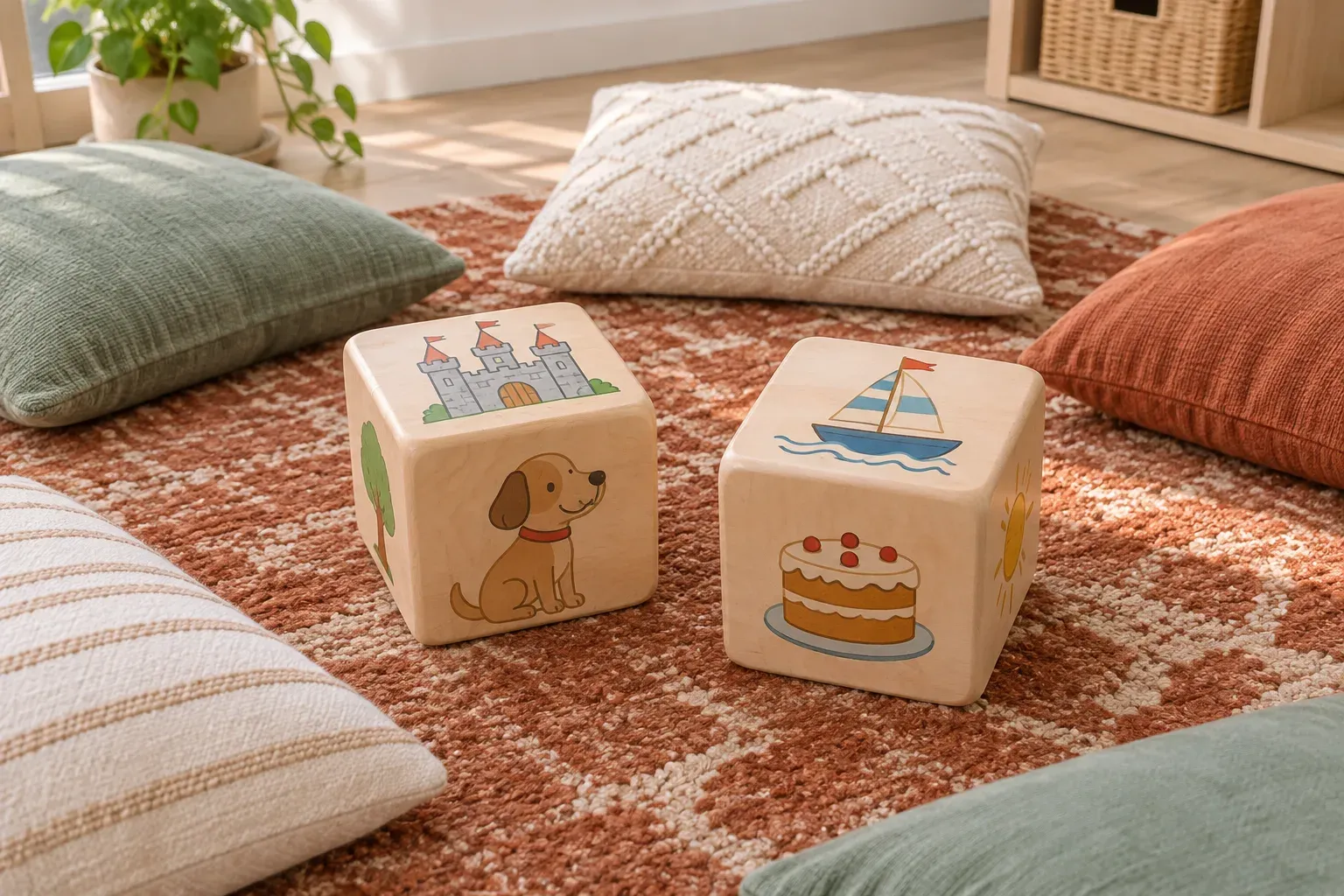 Learning Picture dice storytelling Roll a picture cube and make up a story, with each player adding the next bit.
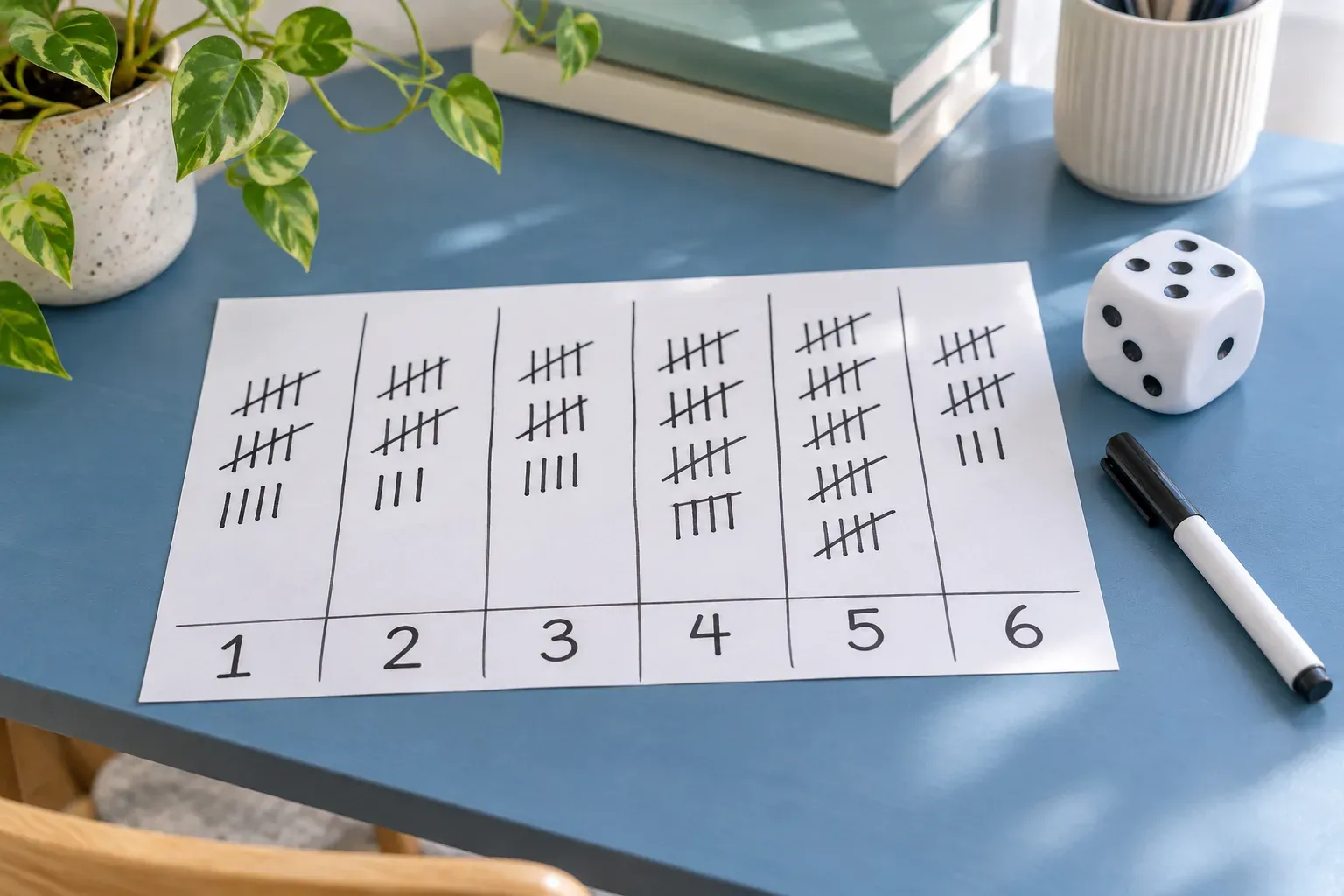 Learning Roll and tally chart Roll a die, count the dots, and add a tally mark to the matching column until one column wins.
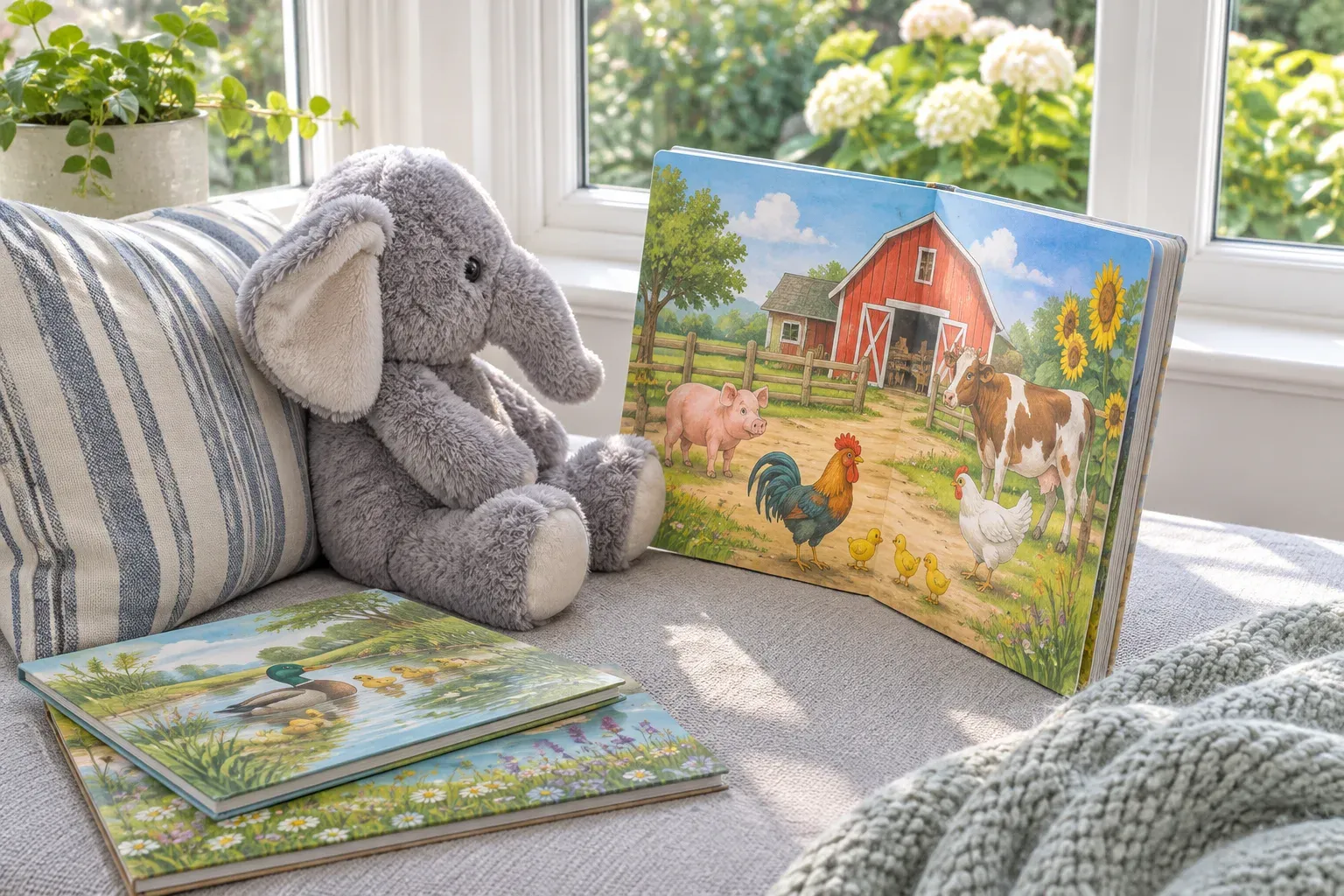 Learning Read to a soft toy Pick a picture book and a soft toy listener, then tell the story to the toy from the pictures.
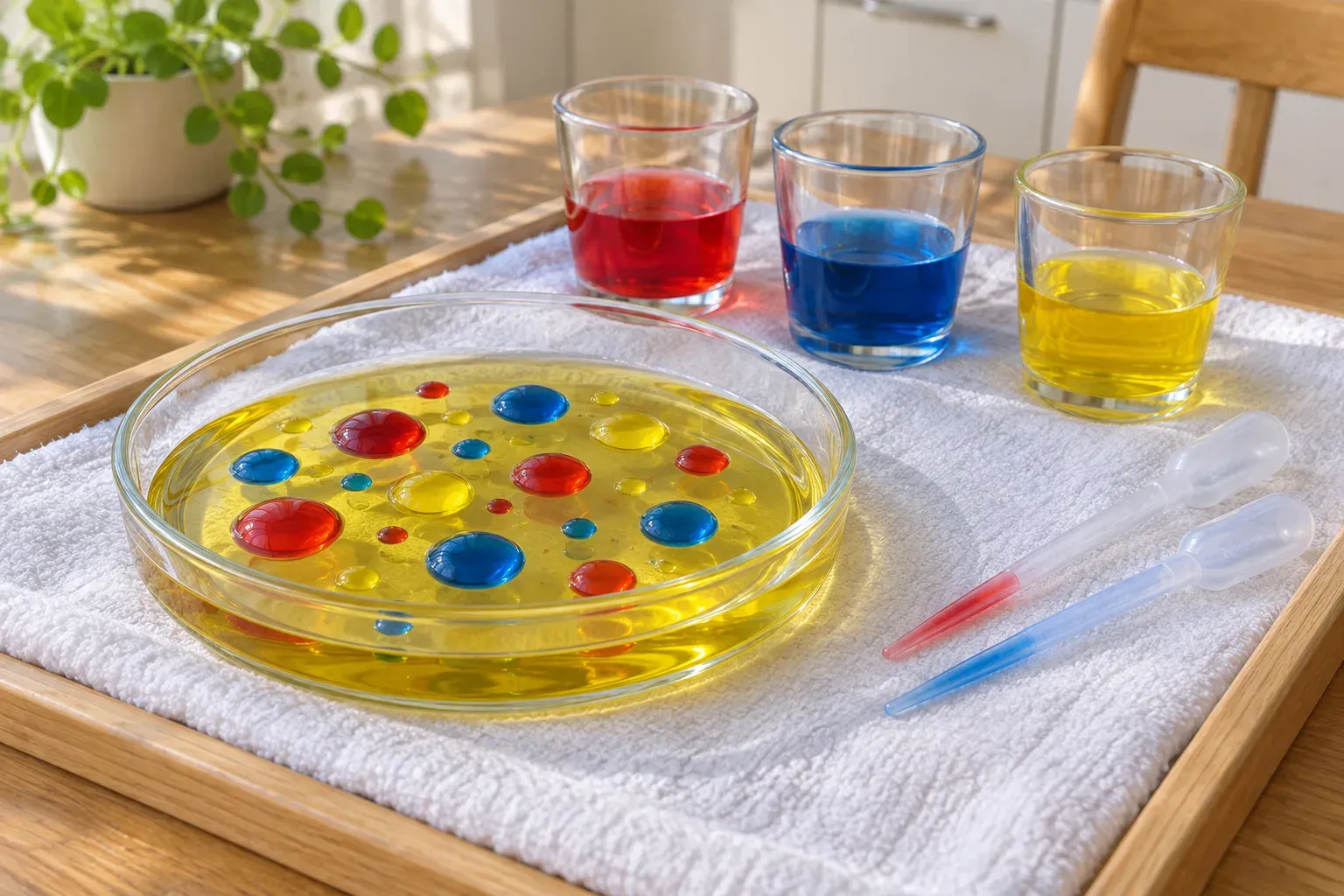 Learning Oil and coloured water drops Drip coloured water into a shallow dish of oil and nudge the drops together to see what they do.
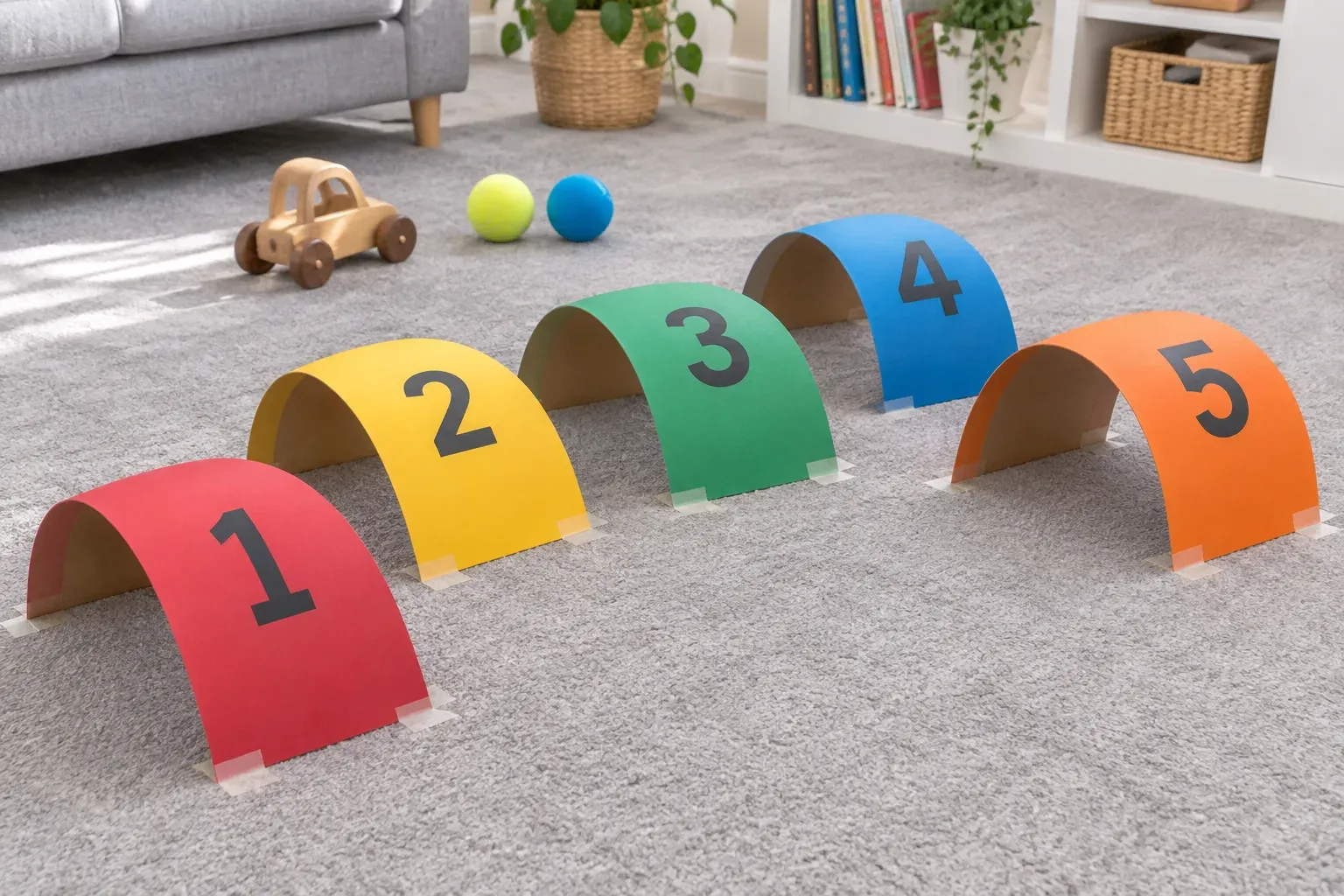 Learning Numbered paper tunnels Tape arched card tunnels to the floor with numbers on them, then roll balls or cars through in counting order.
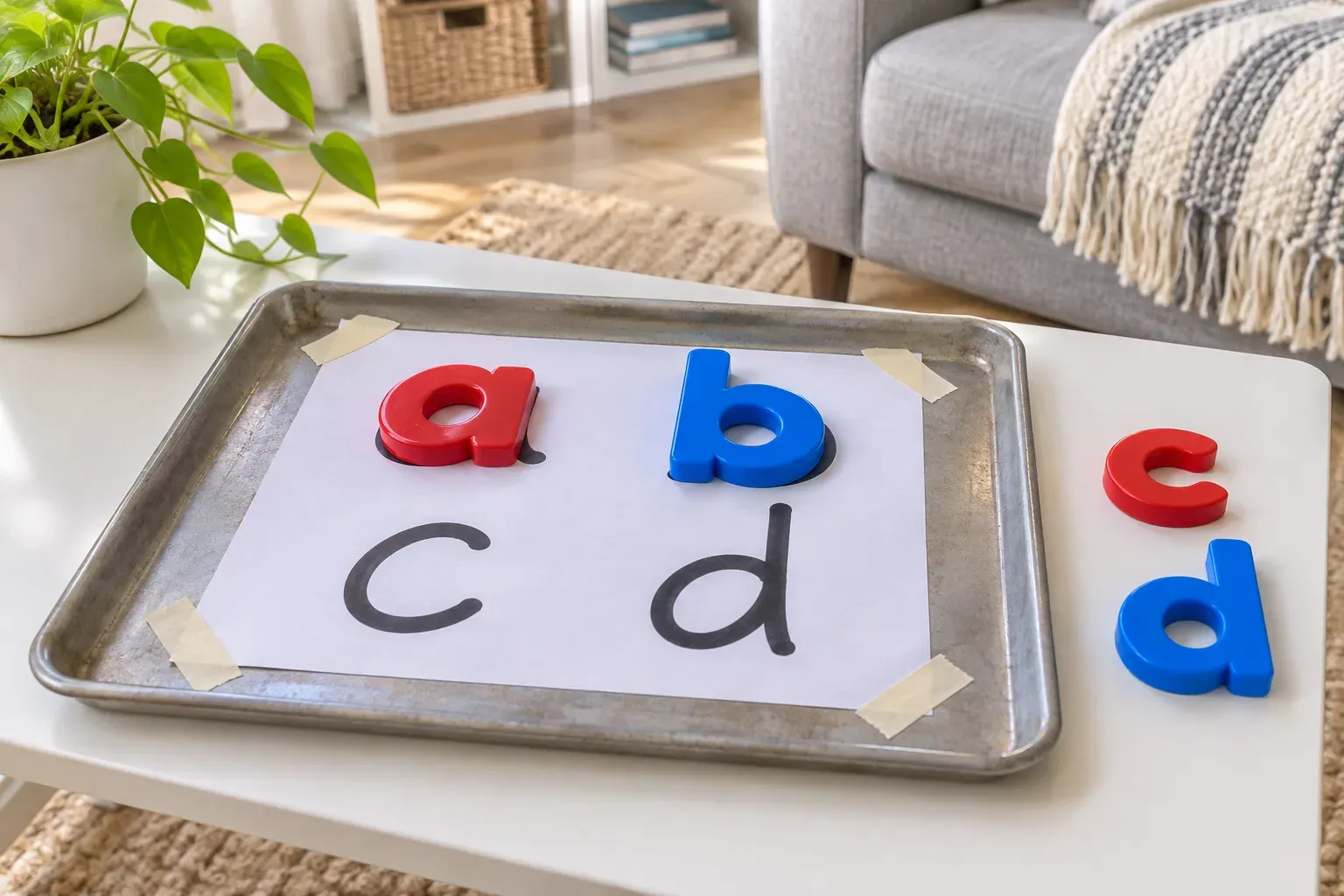 Learning Upper and lower case letter match Match capital magnetic letters to their lower-case partners written on paper taped to a metal baking tray.
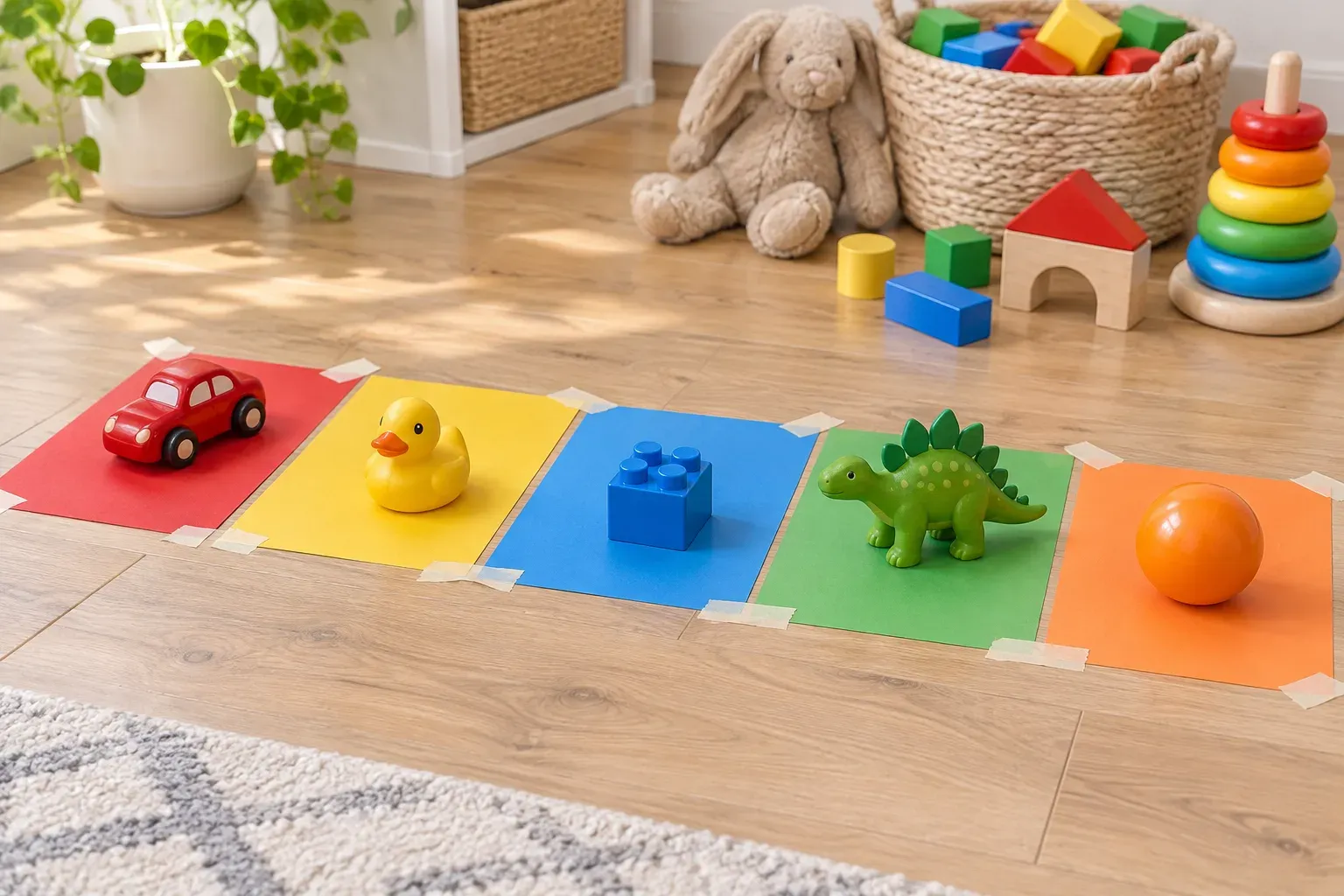 Learning Colour sorting onto paper Tape coloured paper to the floor, then name the colour of each toy and set it on its matching sheet.
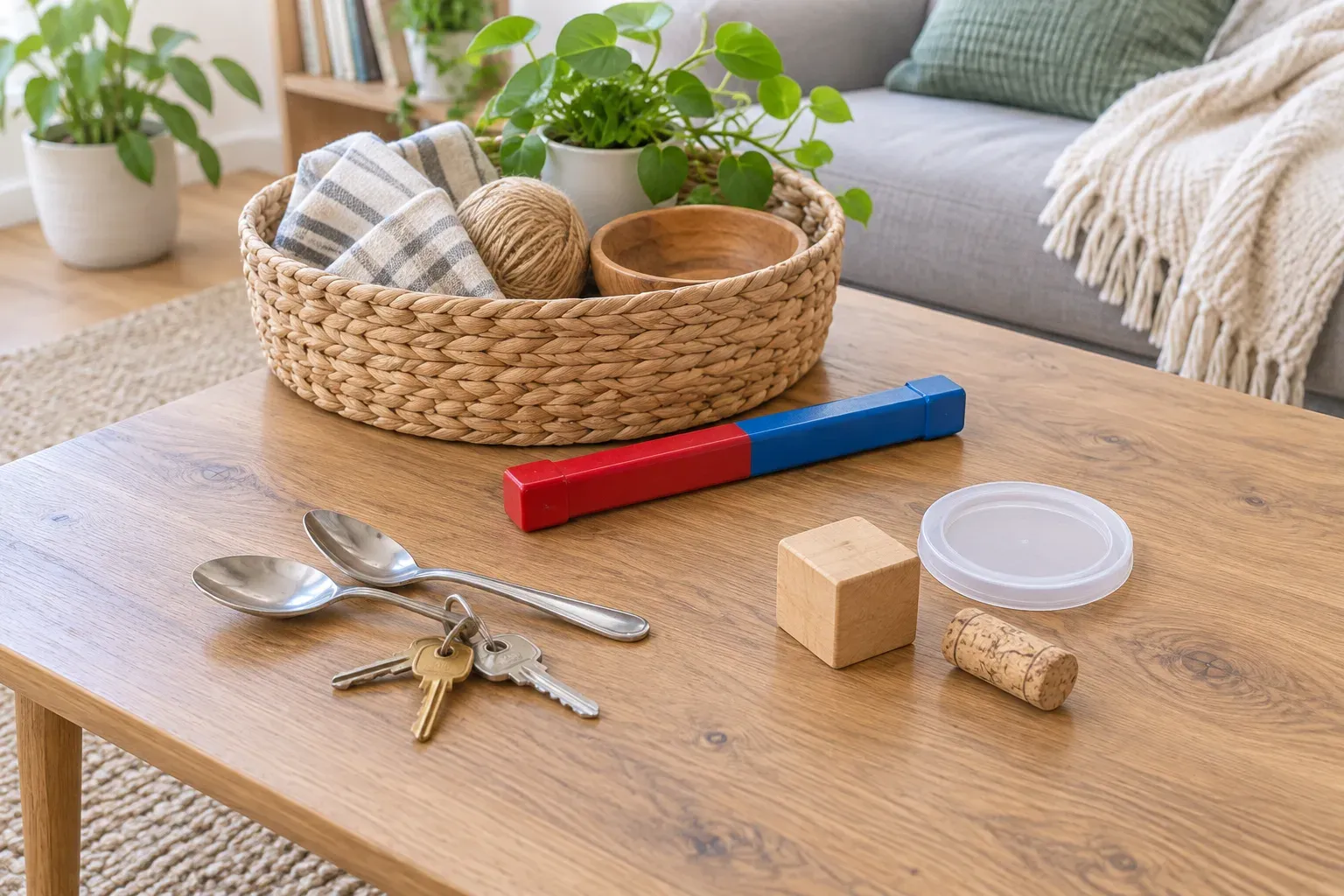 Learning Magnetic or not sorting tub Test household objects with a big magnet and sort them into a sticks pile and a does not stick pile.
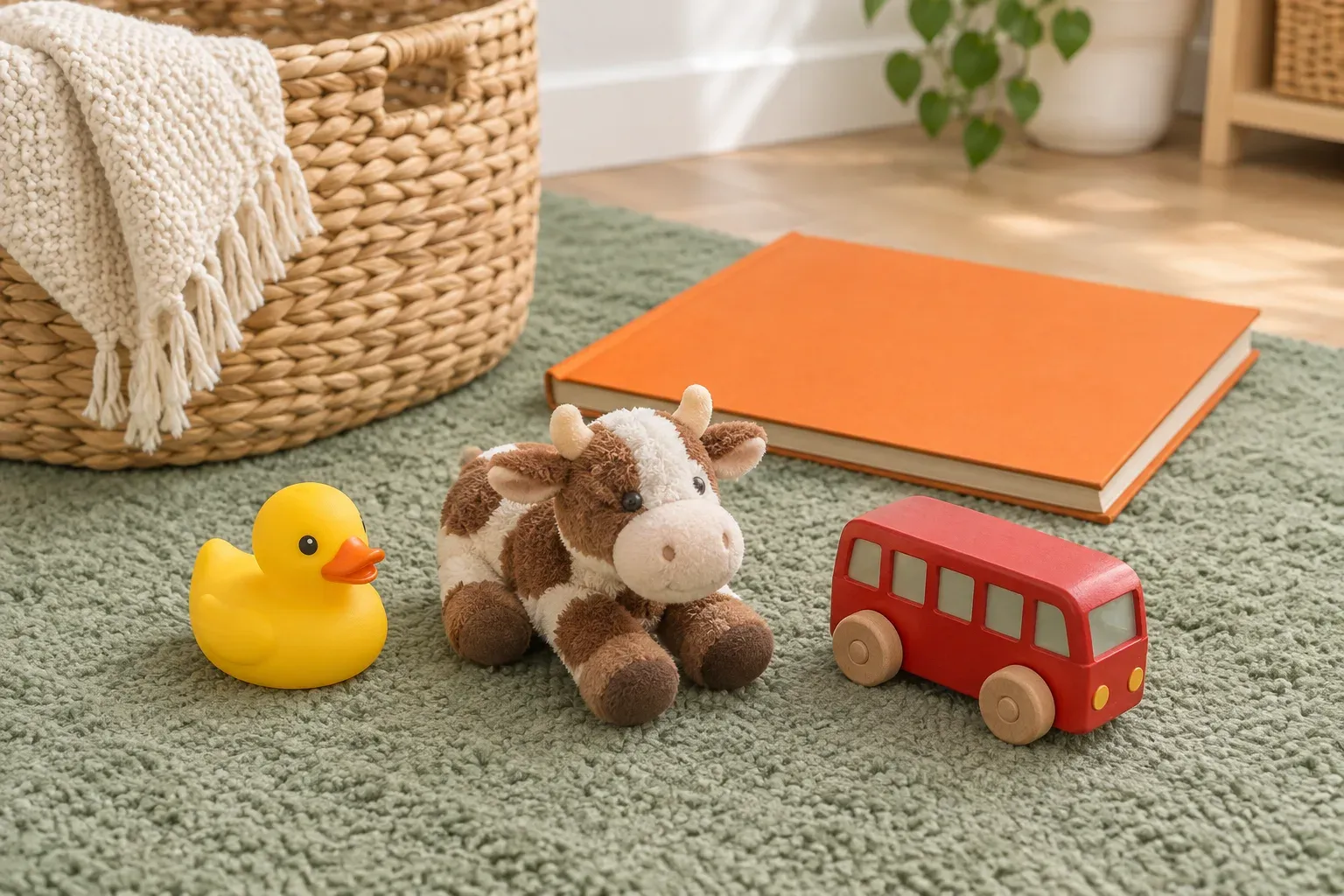 Learning Story prop basket Read a simple picture book aloud and bring out a matching toy from a basket each time it appears.
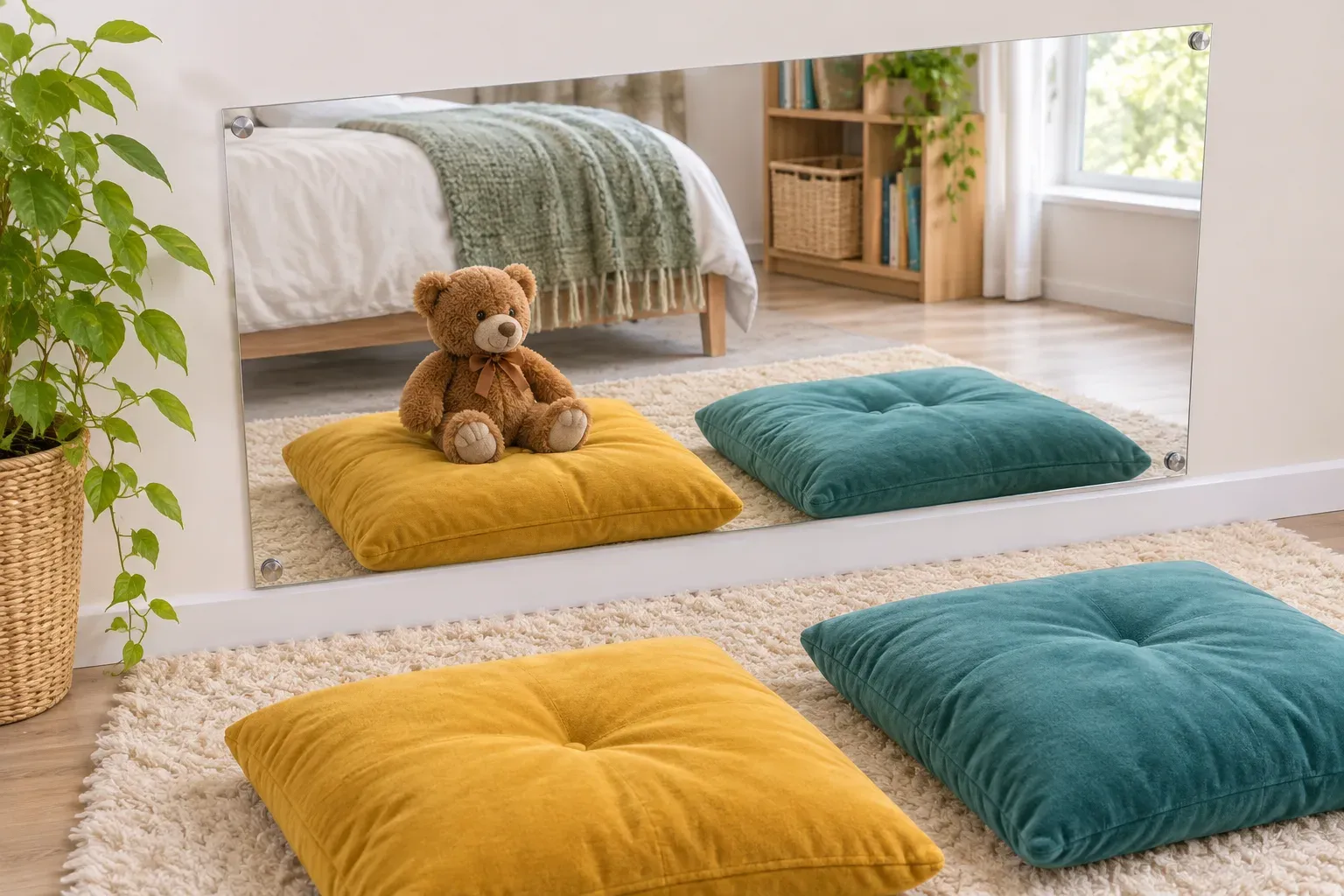 Learning Funny faces in the mirror Sit in front of a shatterproof mirror, pull happy, sad and surprised faces, and point out noses, eyes and ears.
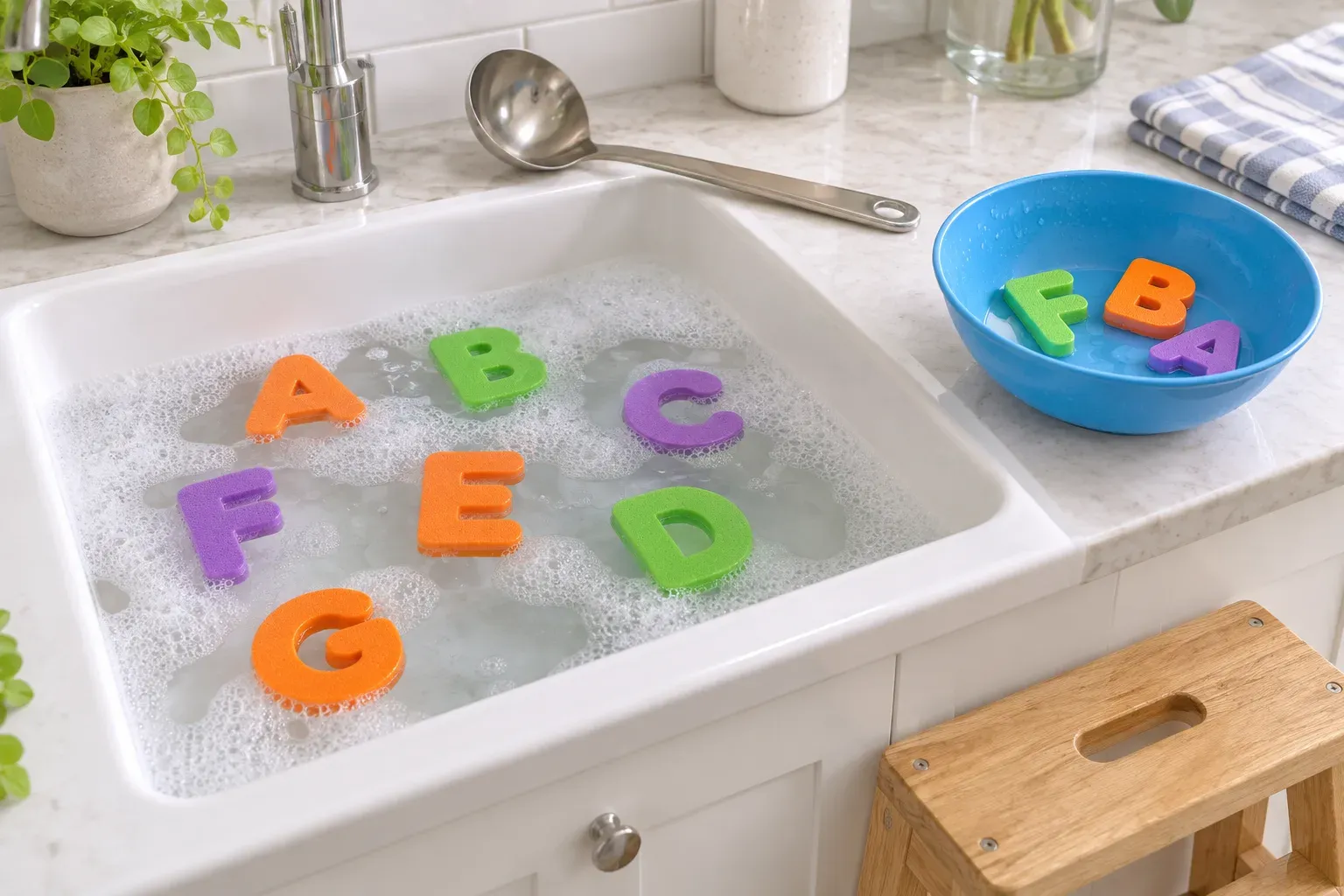 Learning Fish letters out of the sink Scoop floating foam letters out of a sink with a ladle or sieve and say each one as it lands.
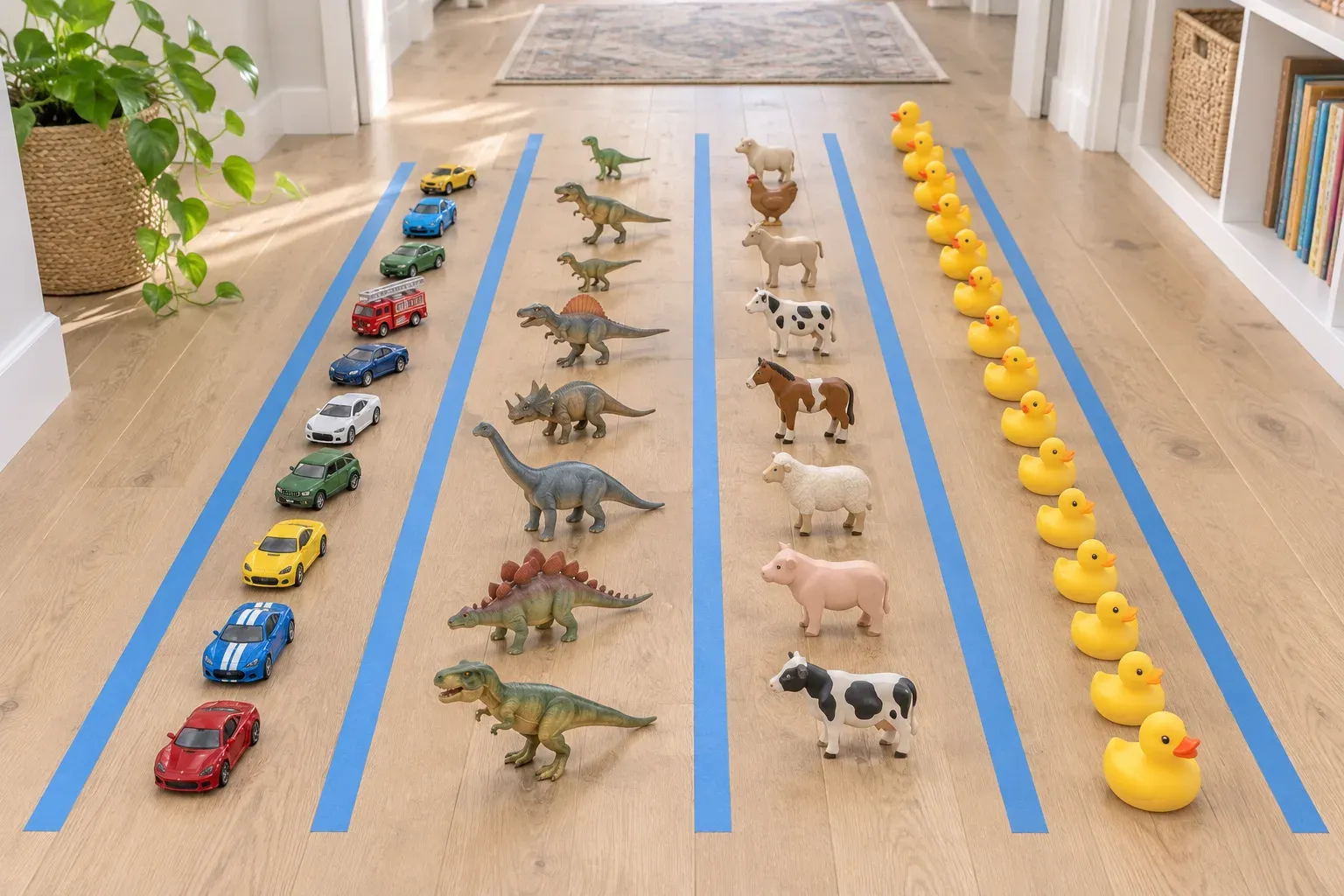 Learning Floor graph of toys Tape a grid on the floor, line up toys by kind in columns, and count which row has the most.
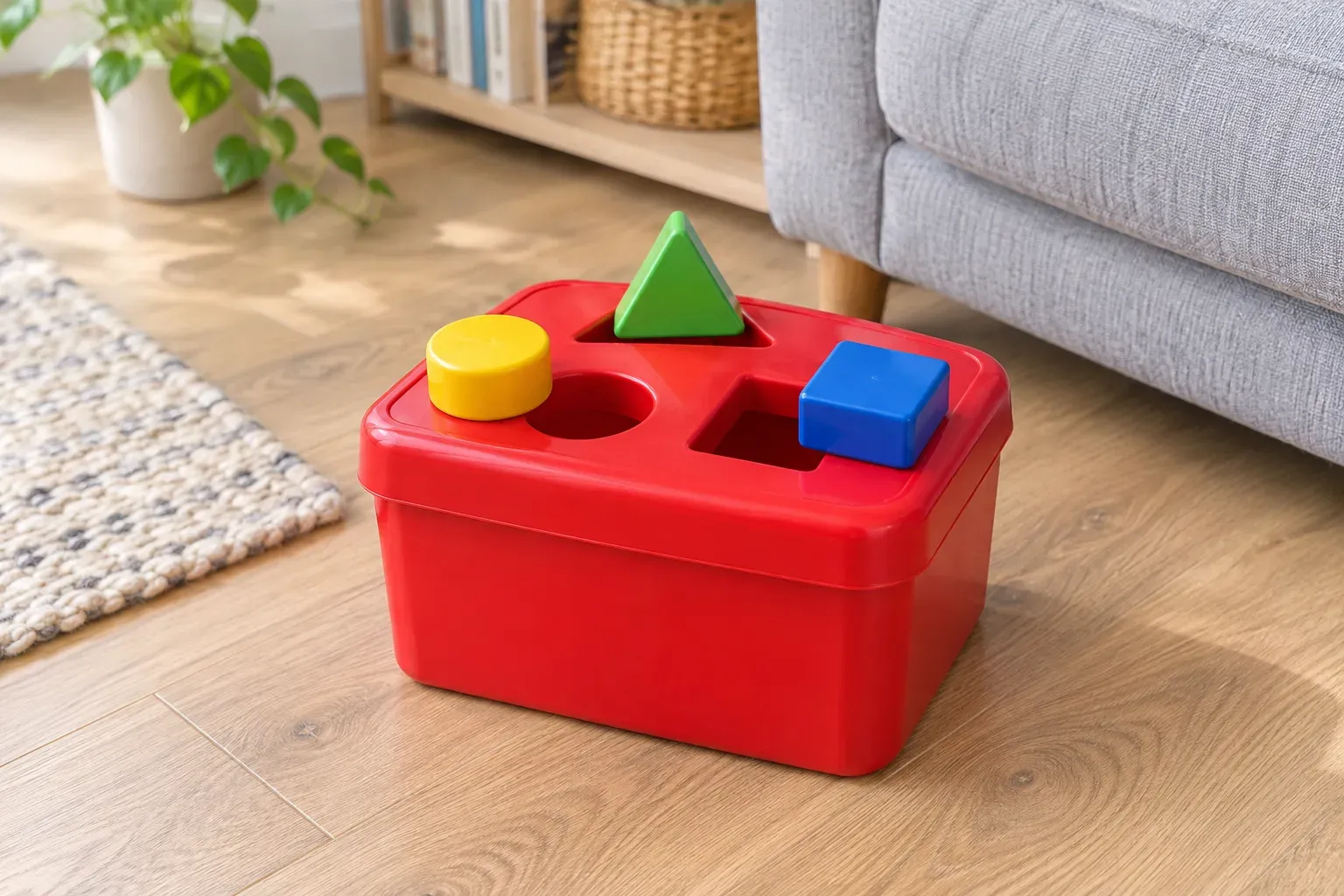 Learning Shape matching toys Turn shapes over and try them in different holes of a shape sorter, naming each one as it goes in.
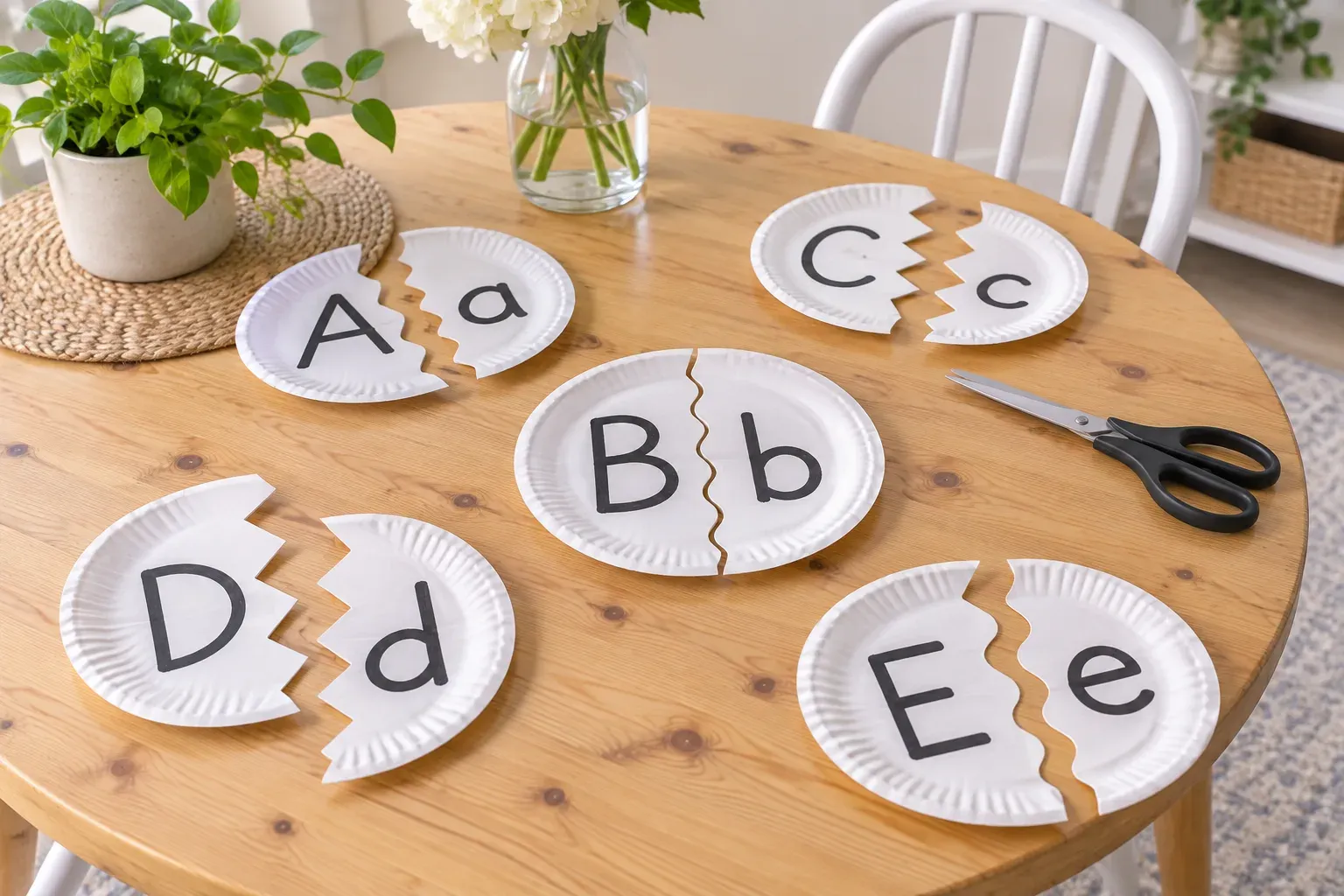 Learning Paper plate letter puzzles Cut letter-marked paper plates in half with wiggly lines, shuffle the halves, and match them back up.
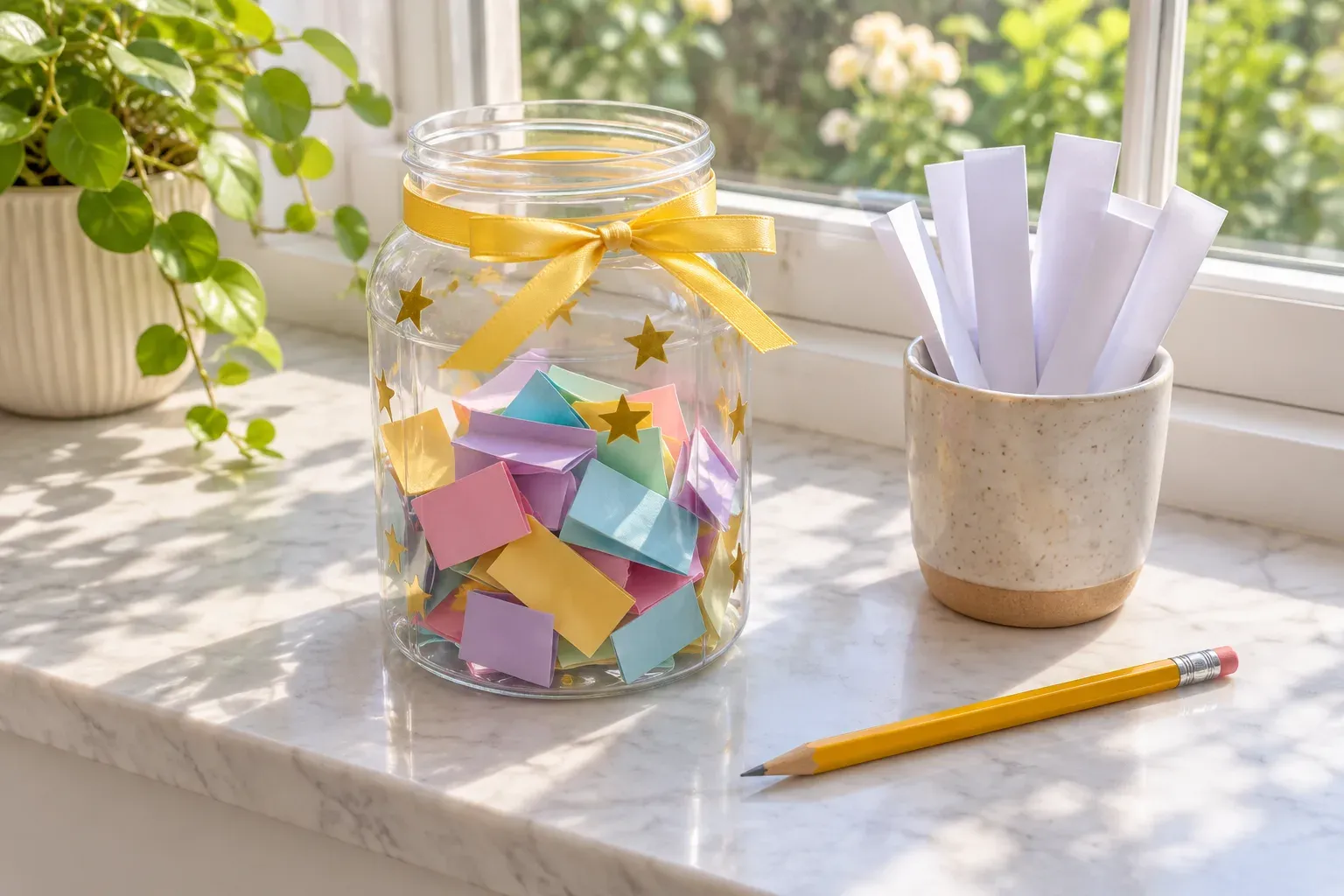 Learning Thankful jar Write or draw one good thing from each day on a strip of paper, fold it and drop it in a jar.
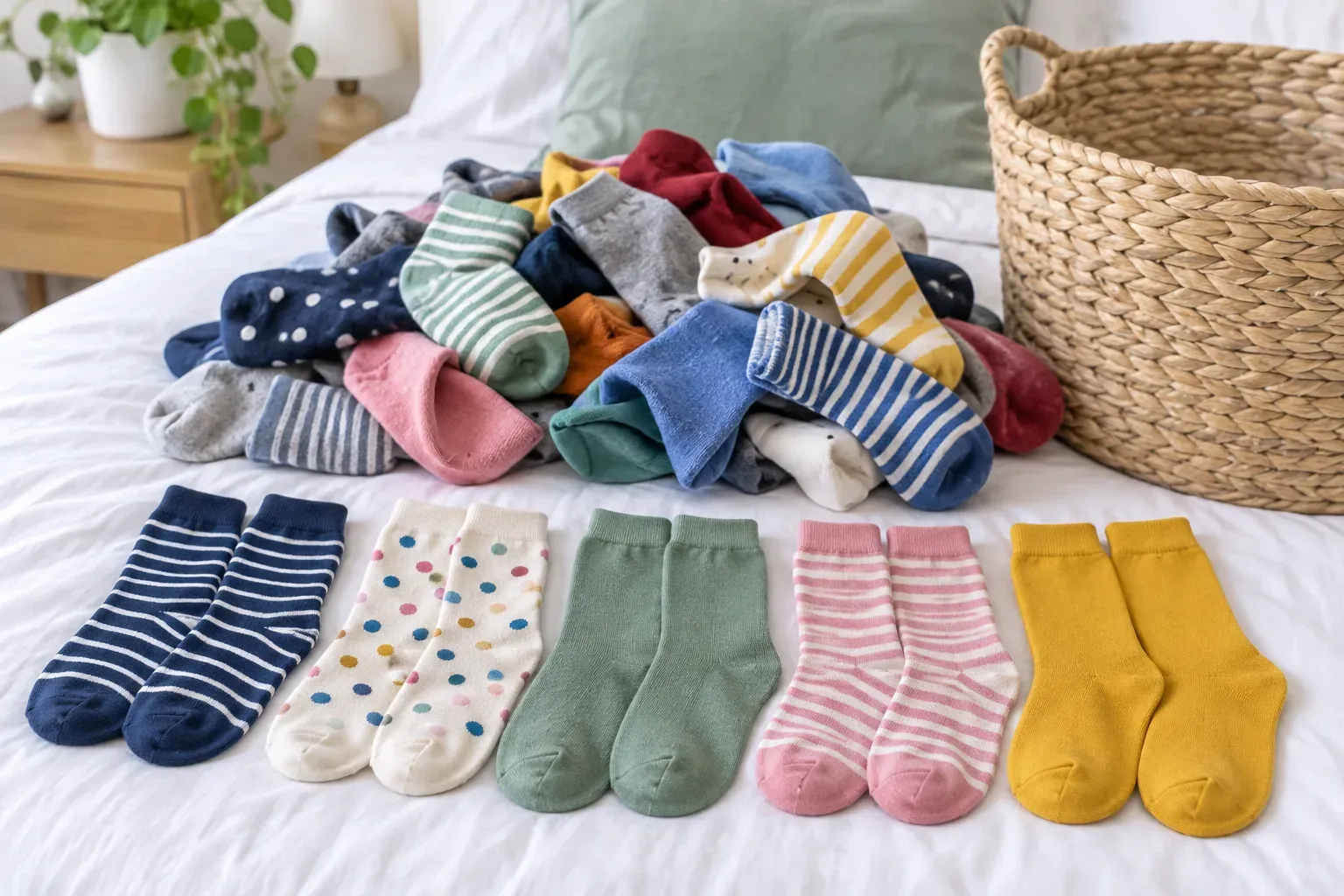 Learning Sock pairing game Tip a pile of clean socks onto the bed and match them into pairs by colour, pattern and size.
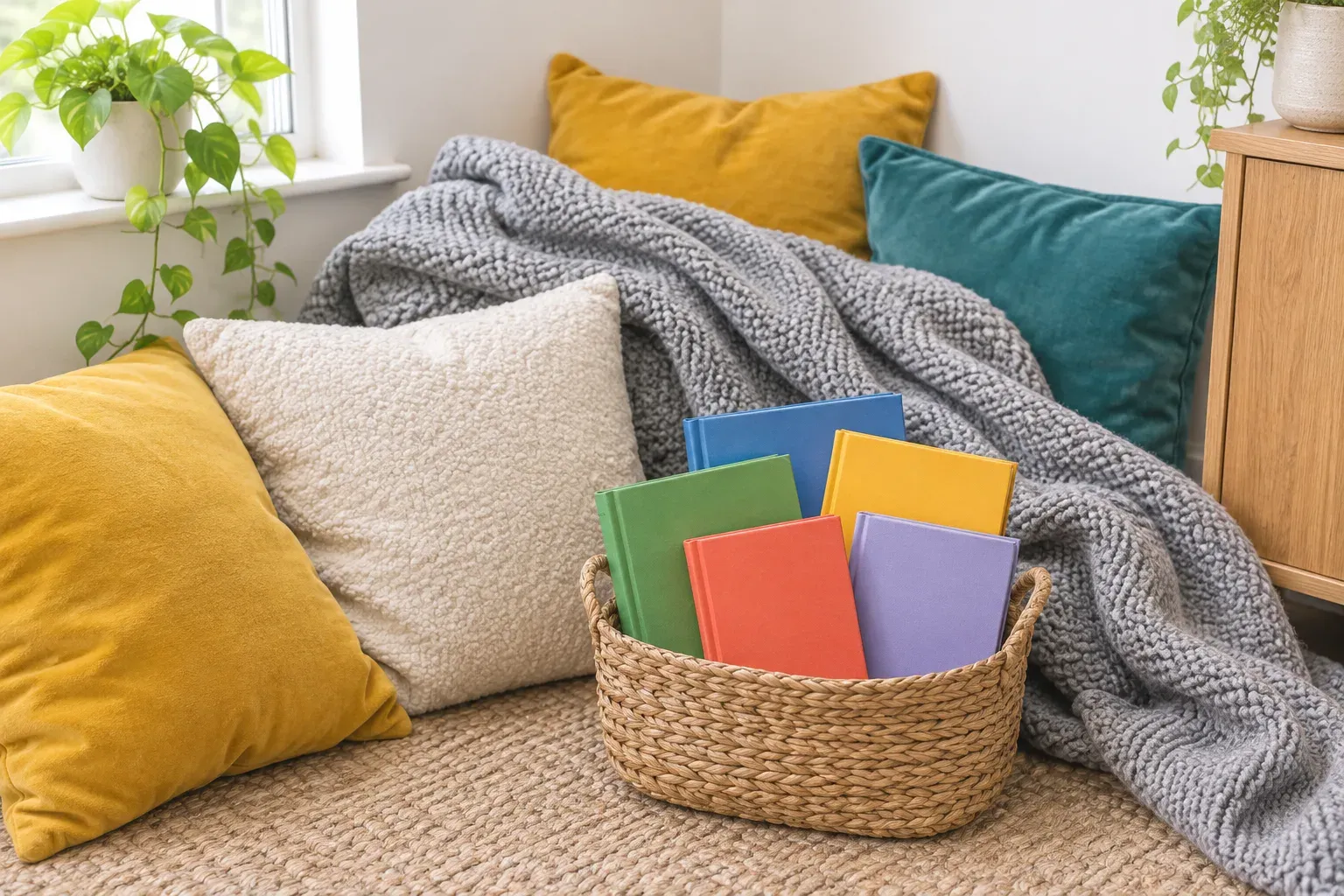 Learning Cosy book nook Pile cushions in a quiet corner, set a basket of books within reach, and curl up to pick one together.
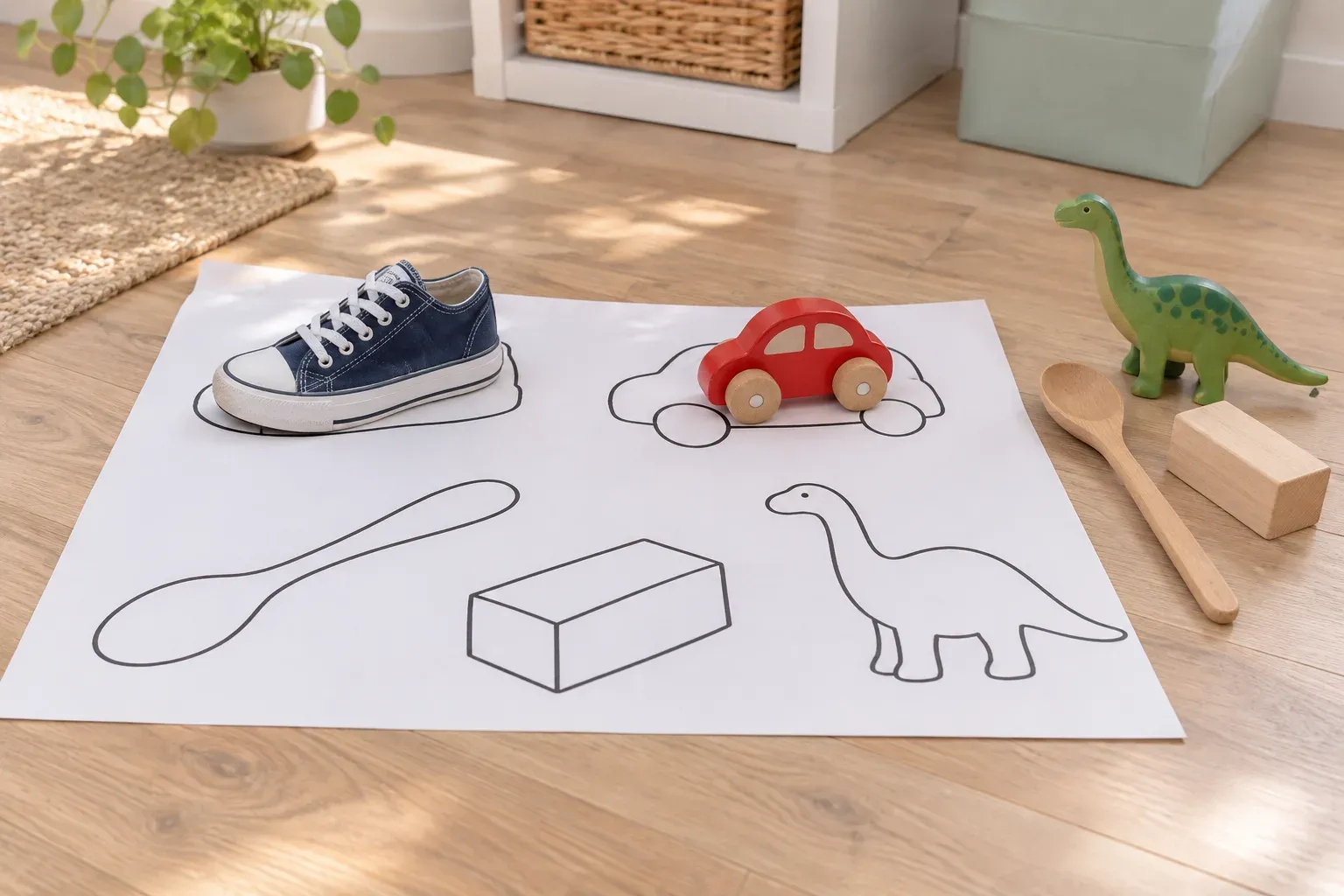 Learning Toy outline matching Trace around toys on a big sheet of paper, mix them up, then match each toy back to its outline.
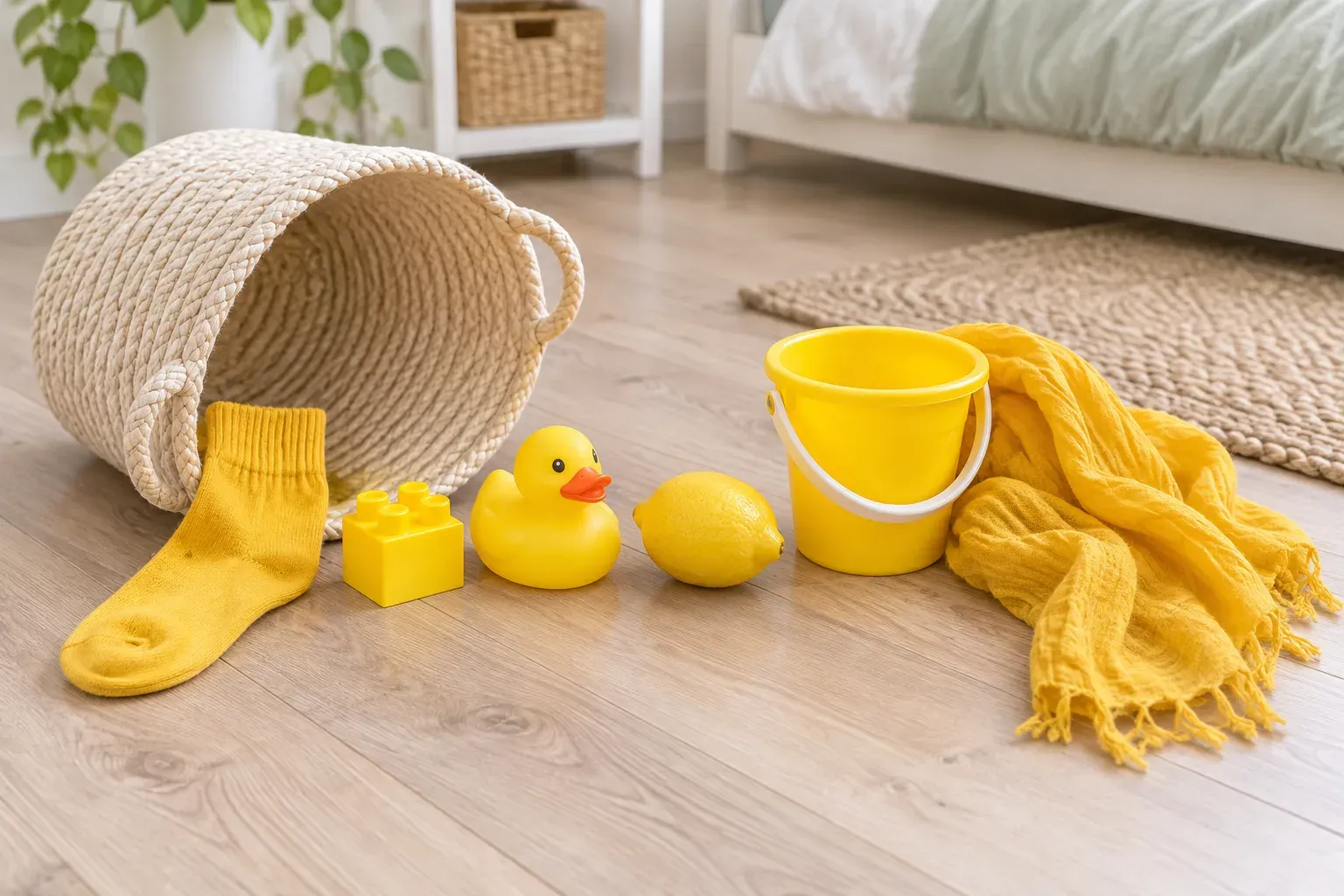 Learning One-colour treasure hunt Pick one colour, then hunt around the room or garden with a bag for everything in that colour.
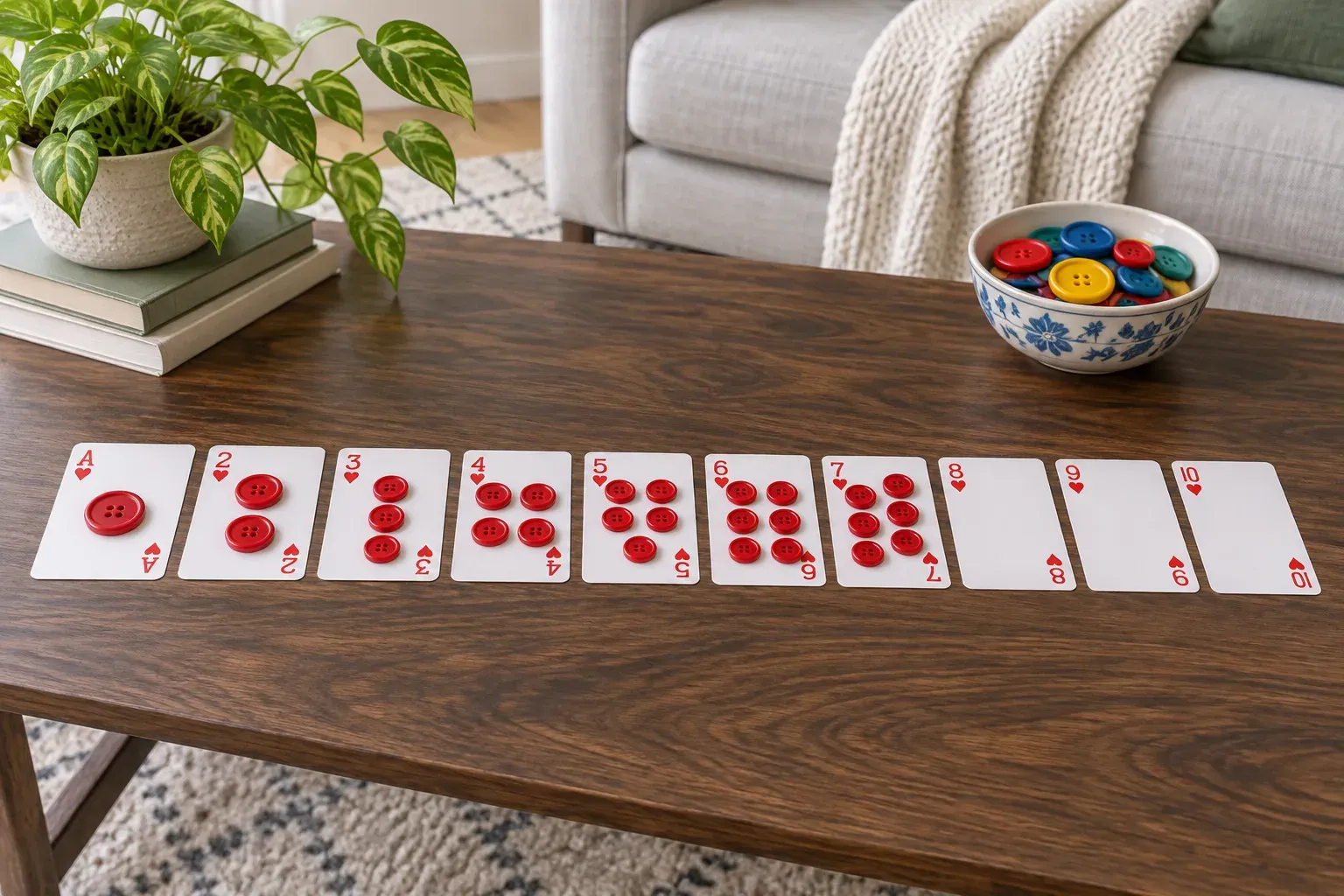 Learning Counters onto number cards Lay out number cards from ace to ten, then place the right number of buttons or pasta pieces on each one.
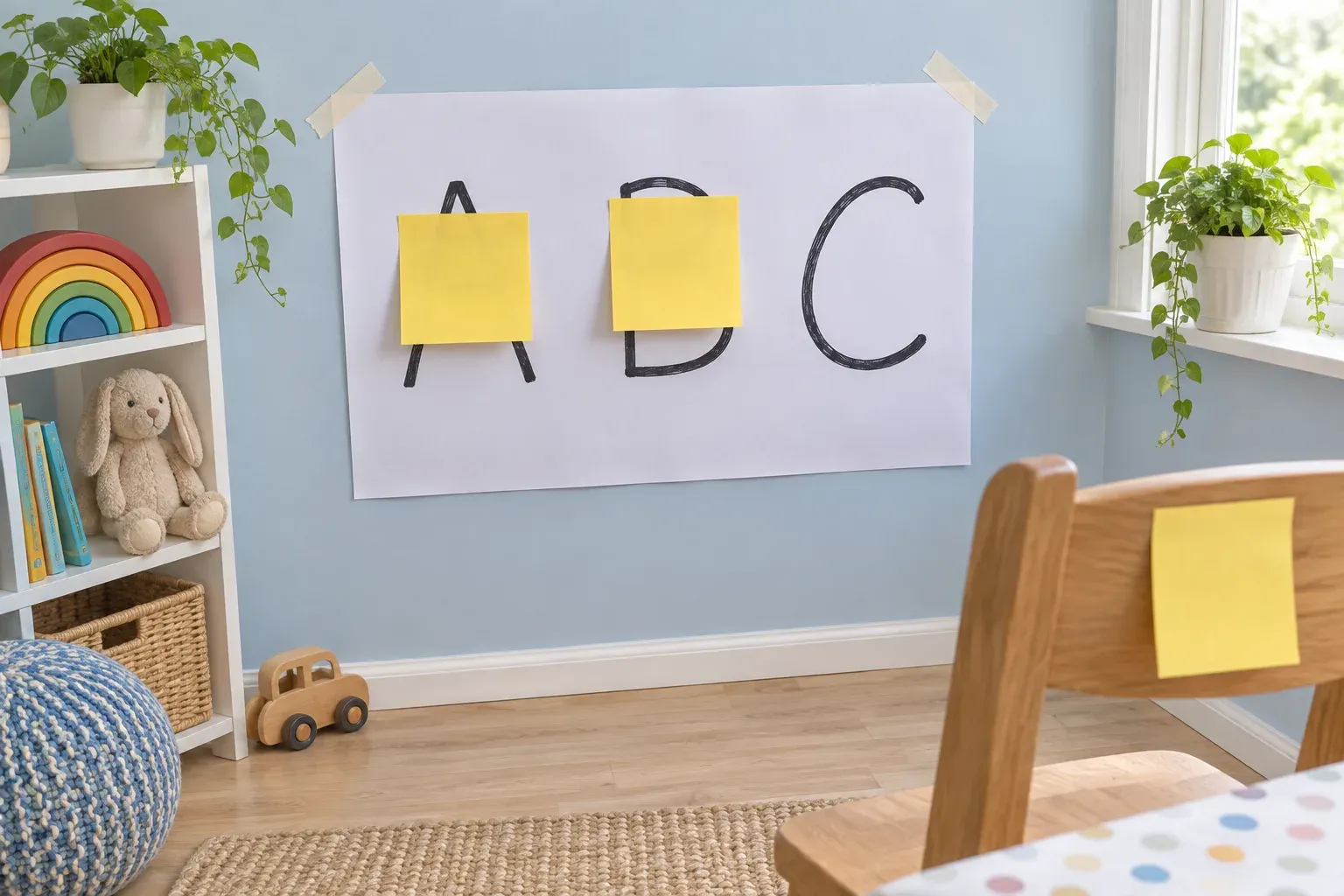 Learning Sticky-note name building Find sticky-note letters hidden around the room and stick each one onto the matching letter of a name on the wall.
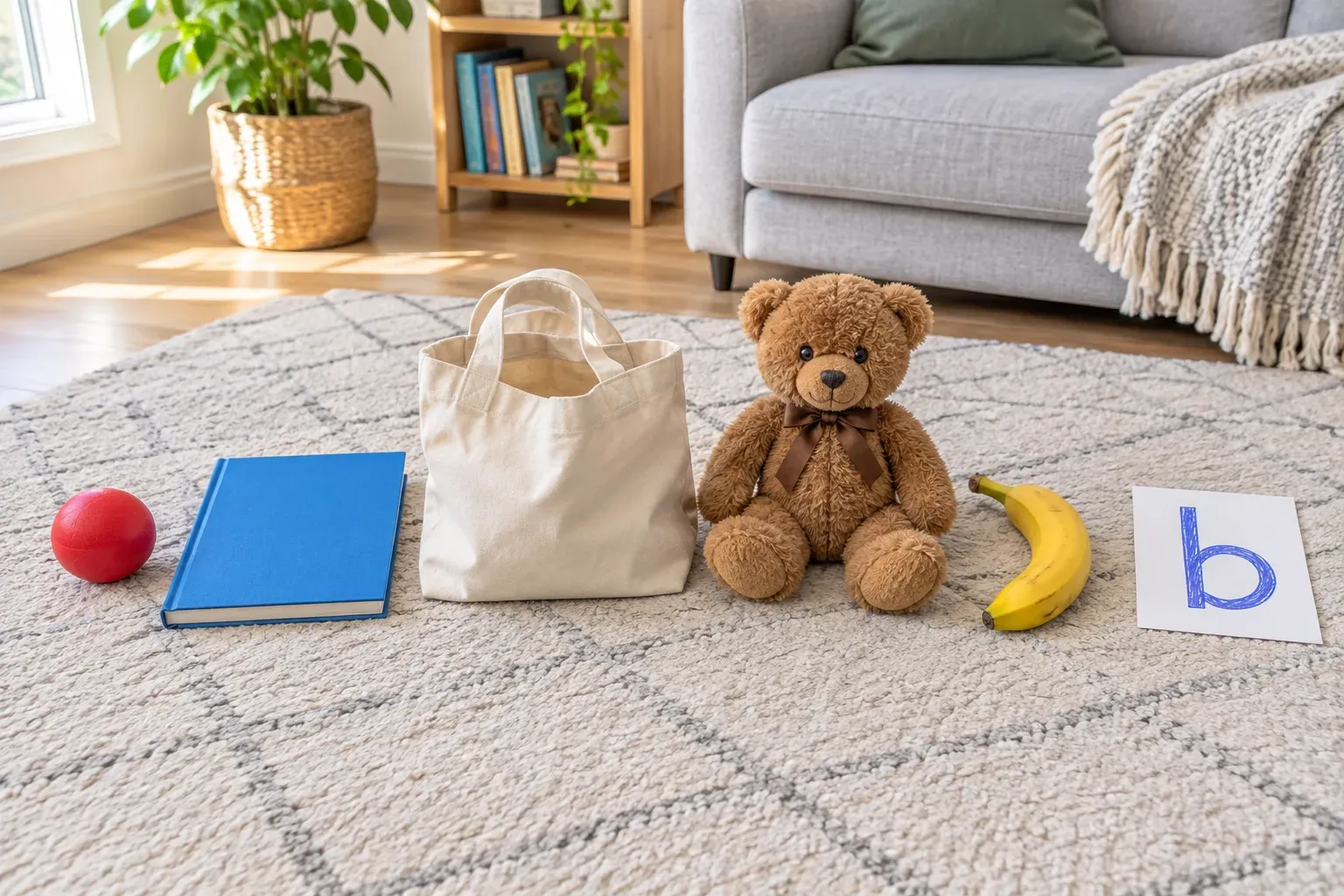 Learning Starting-sound hunt Pick a sound like b, then hunt around for things that start with it and say each word aloud.
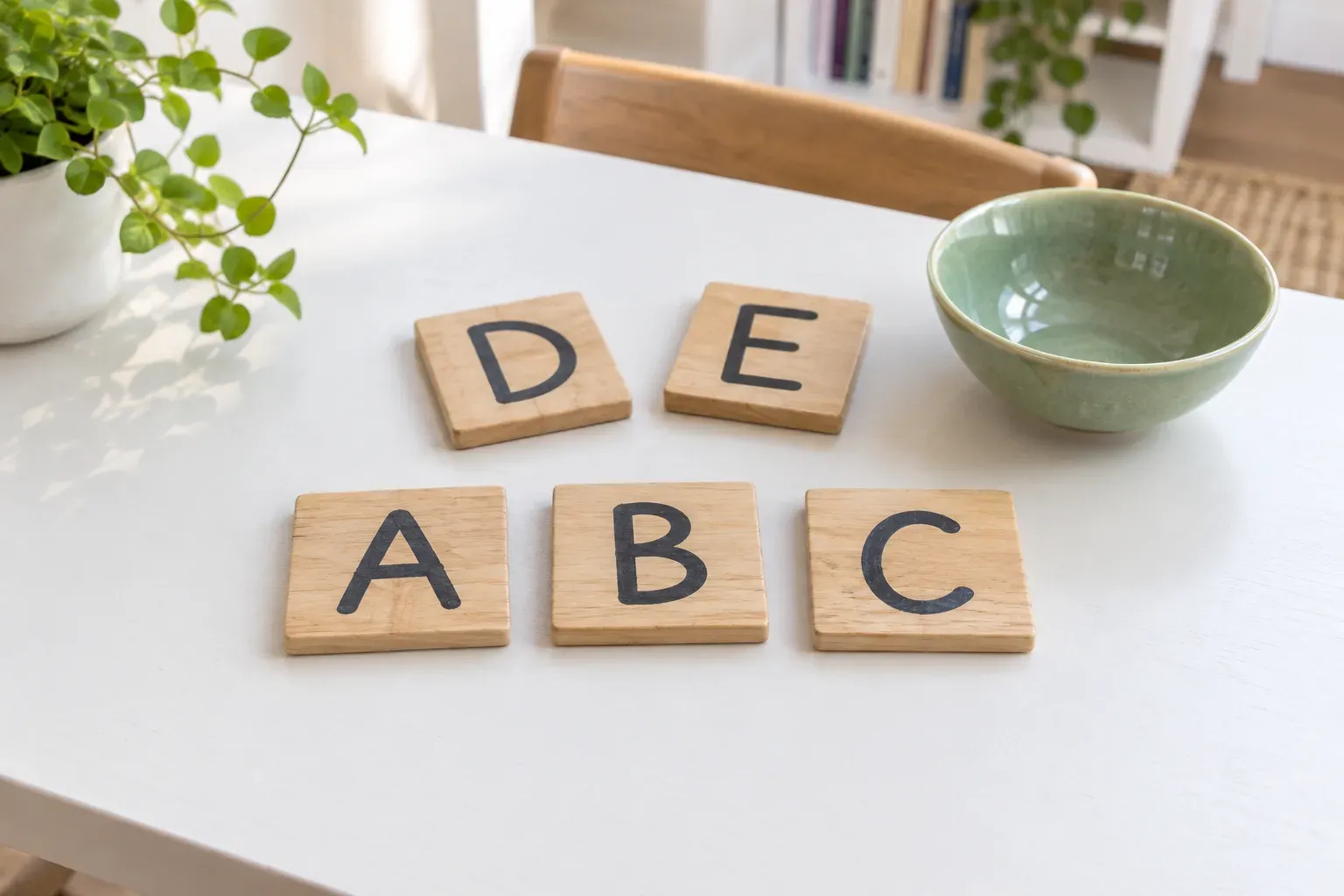 Learning Letter tile word making Say a short word slowly, find the letter tiles that spell it, and swap one letter to make a new word.
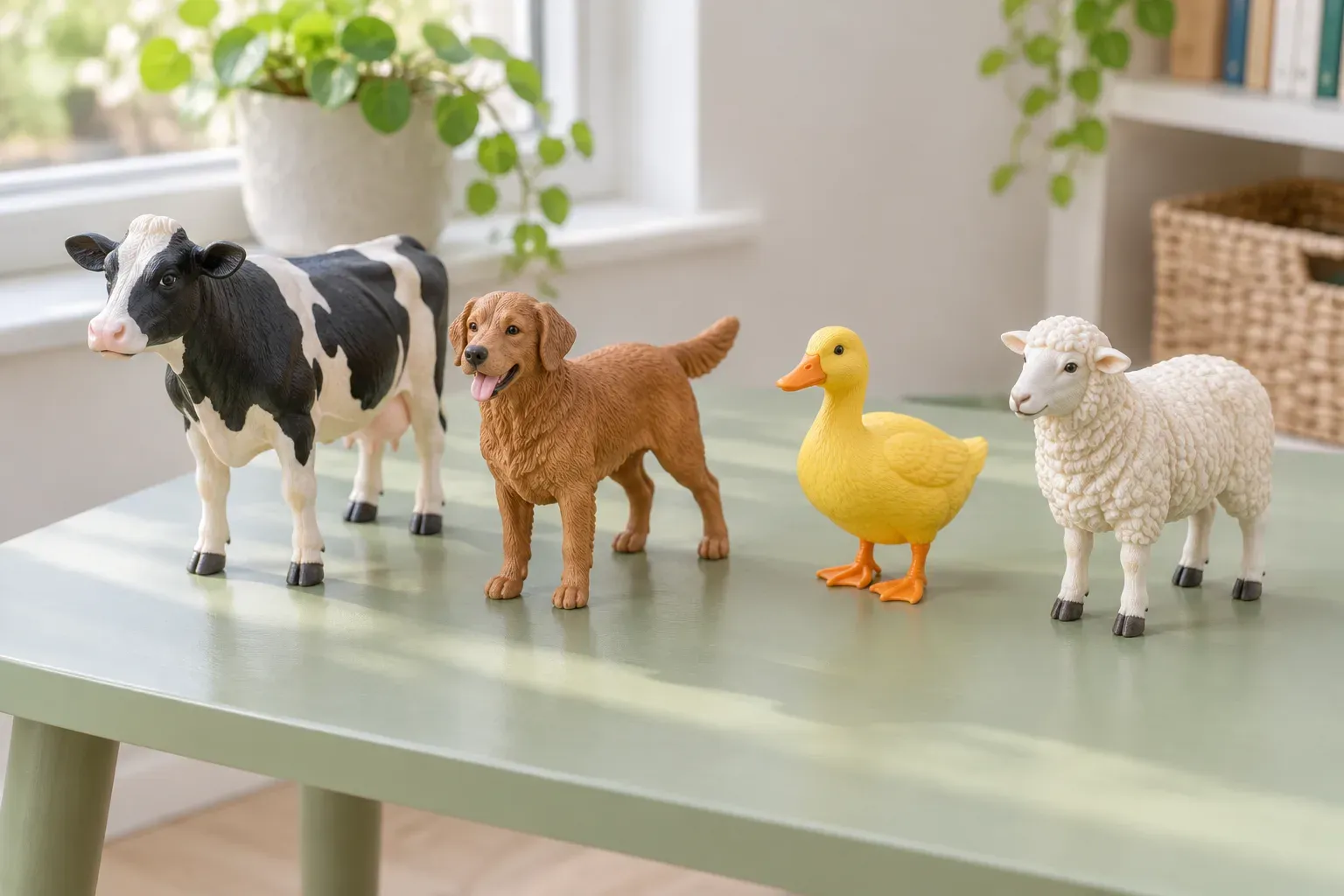 Learning Match the animal to its sound Line up toy animals, then make a sound and pick out the animal that says it, and swap over.
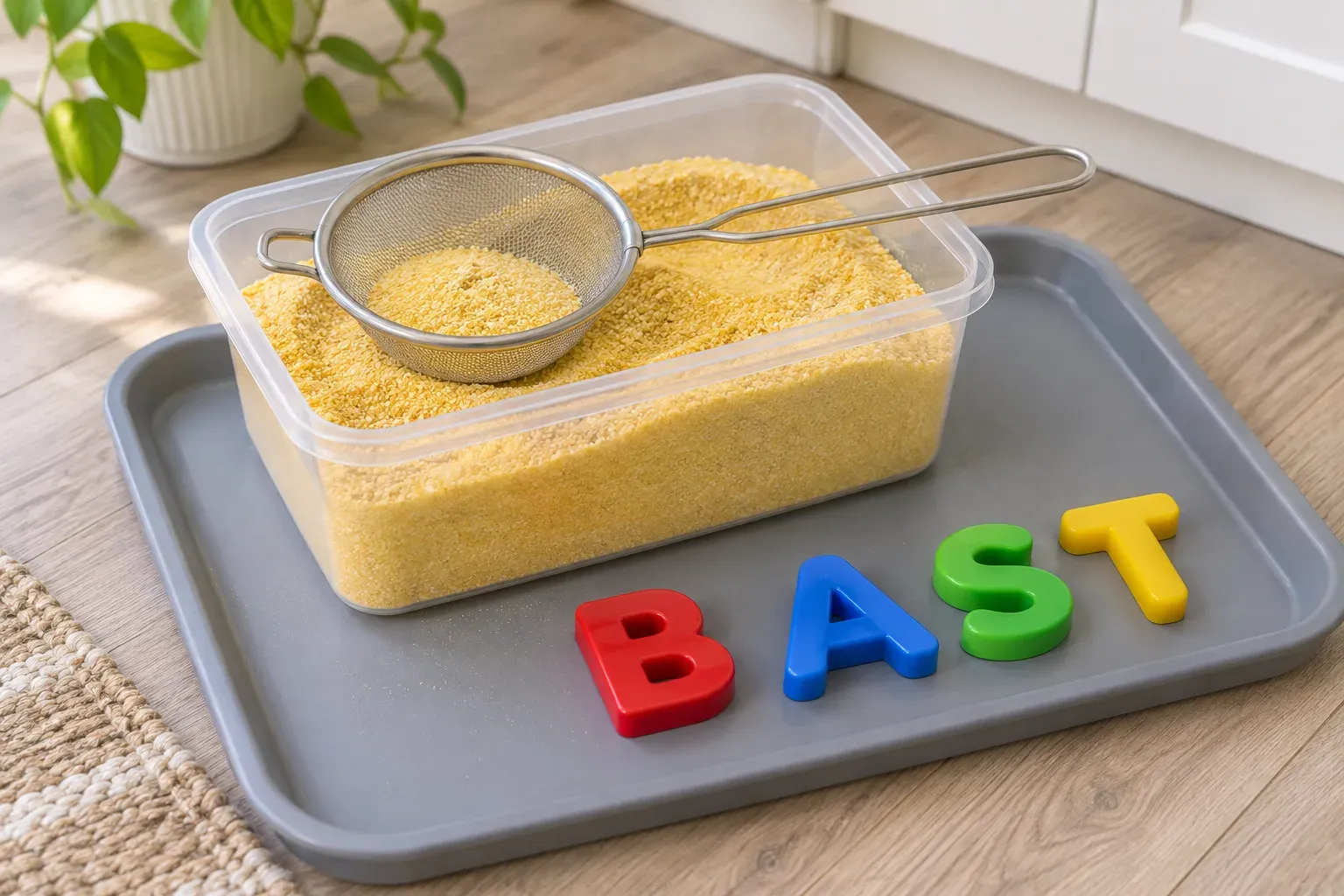 Learning Sift for hidden letters Shake a small sieve over a tub of cornmeal to uncover buried plastic letters and say each name or sound.
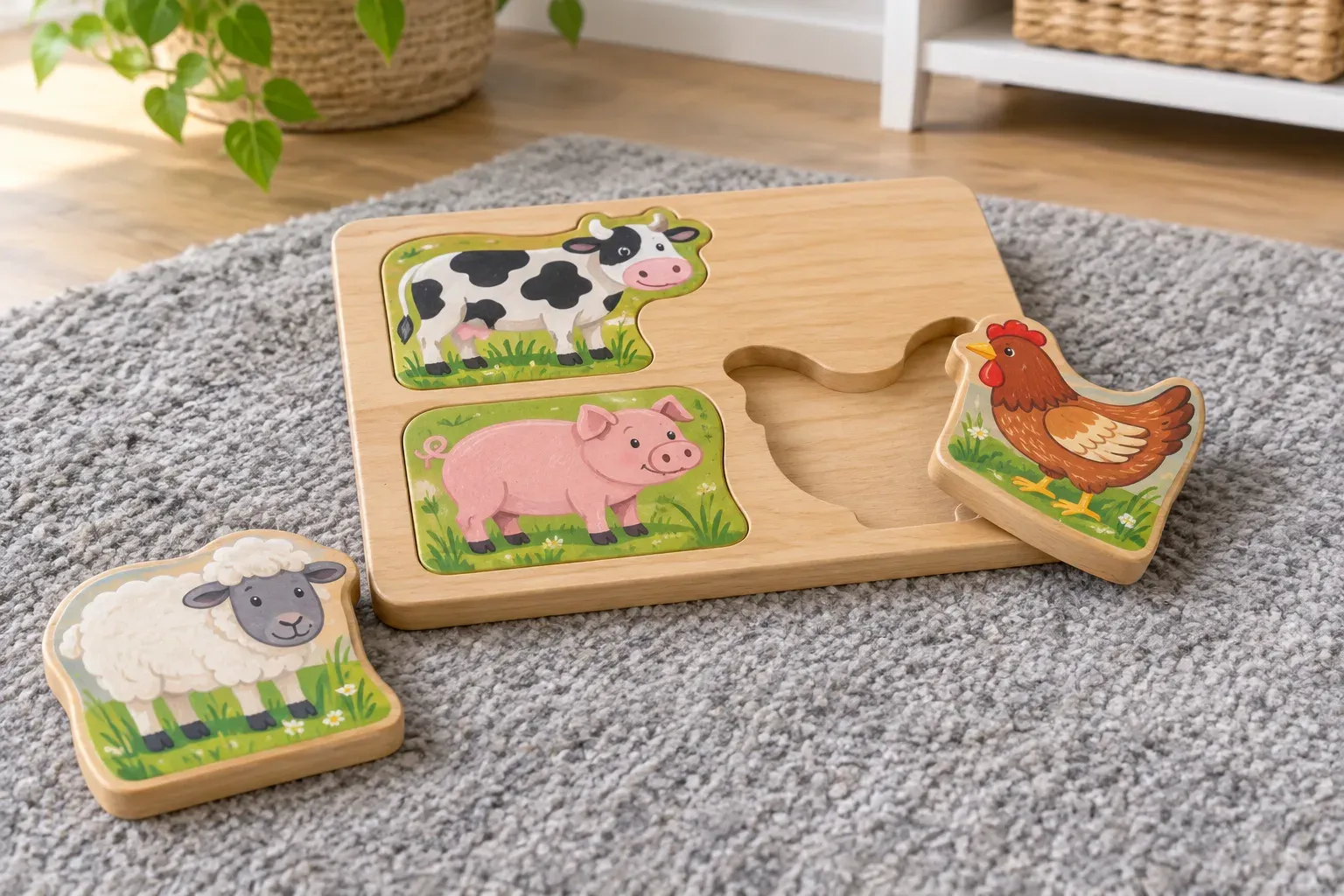 Learning First jigsaw puzzles Take out the pieces of a simple wooden puzzle, name each picture, and turn each piece until it fits.
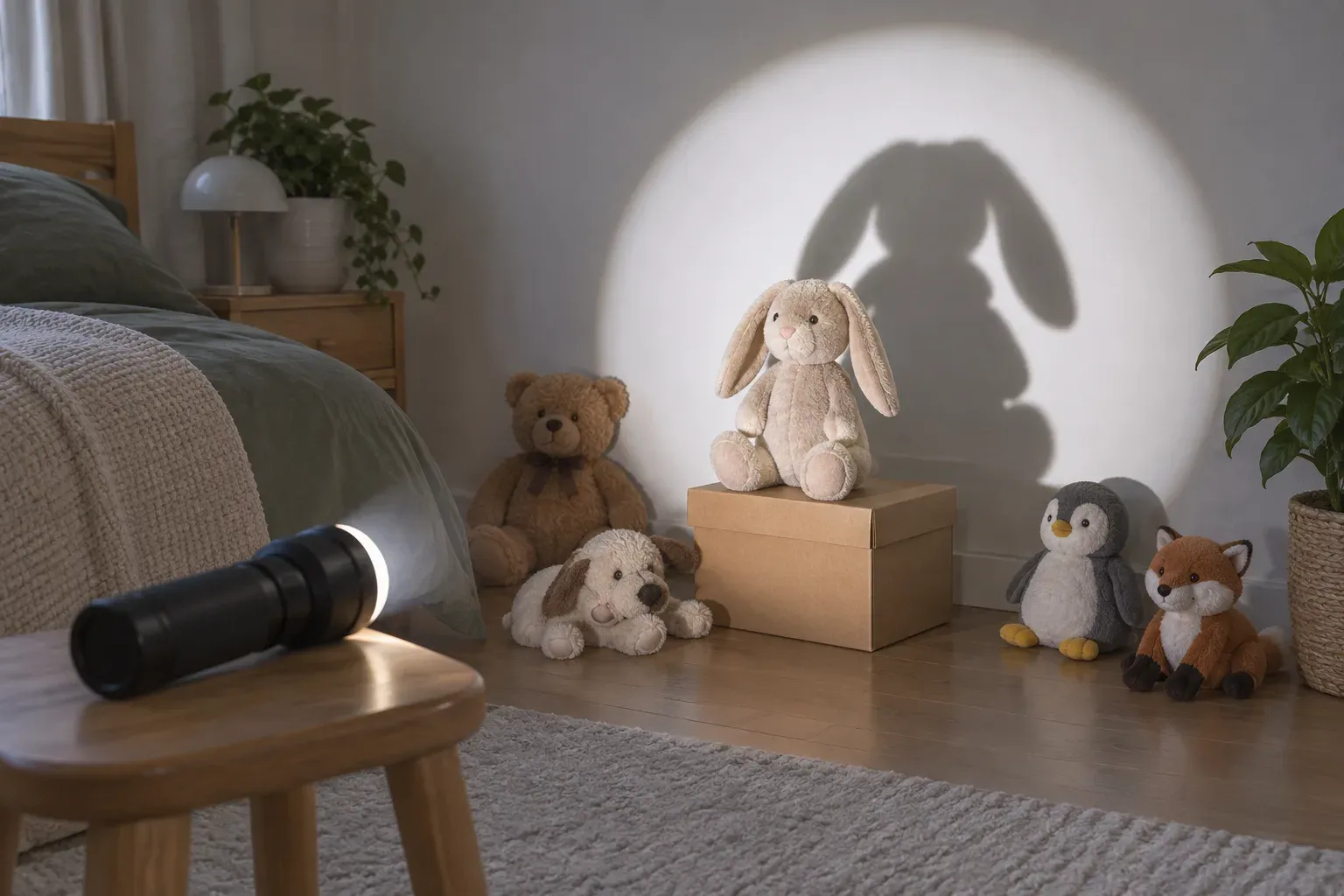 Learning Torch shadow show Shine a torch at a blank wall and make shadows with hands and soft toys, moving them nearer and further.
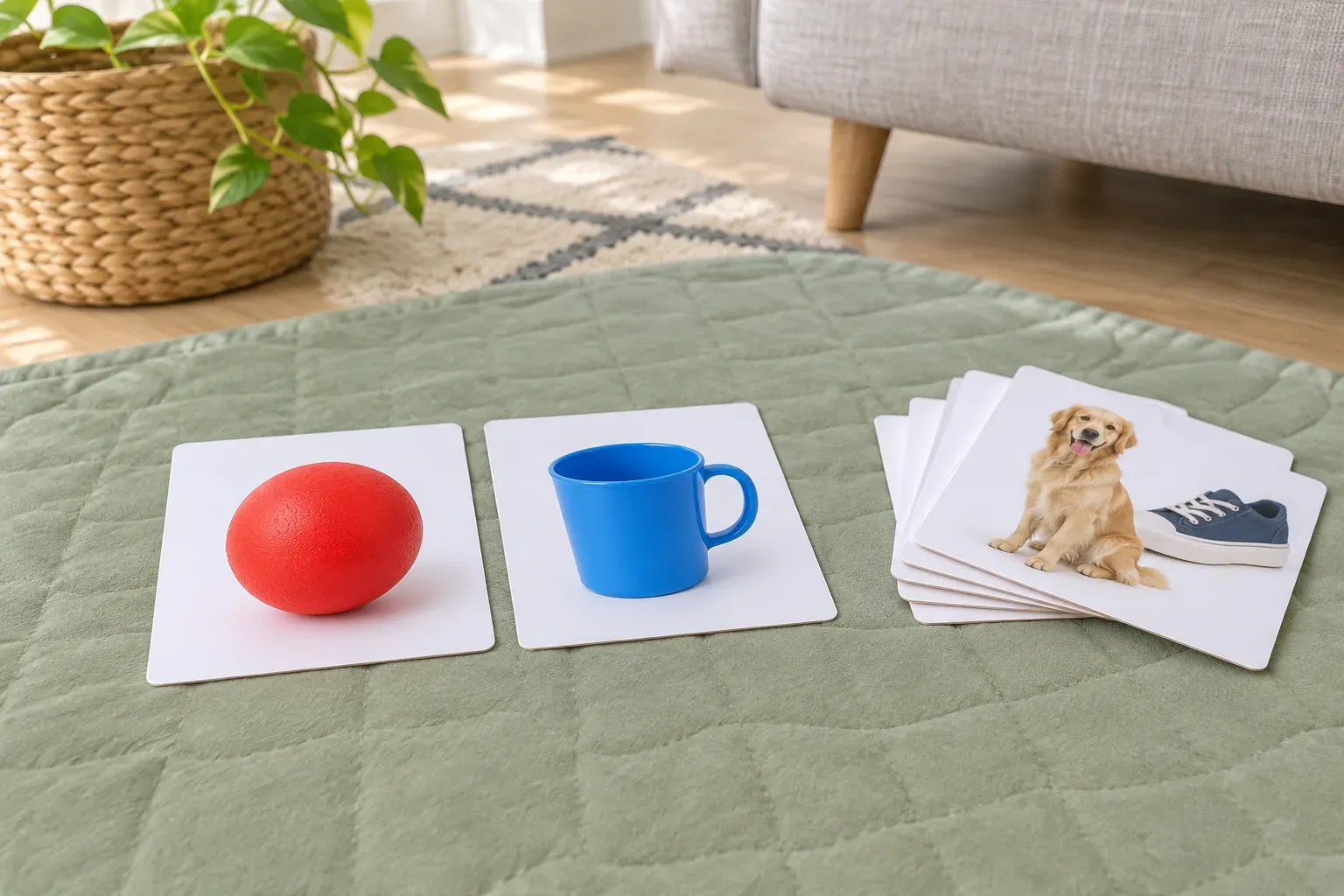 Learning Picture card naming Hold up a picture card of an everyday object, name it clearly, then lay out two and point to one.
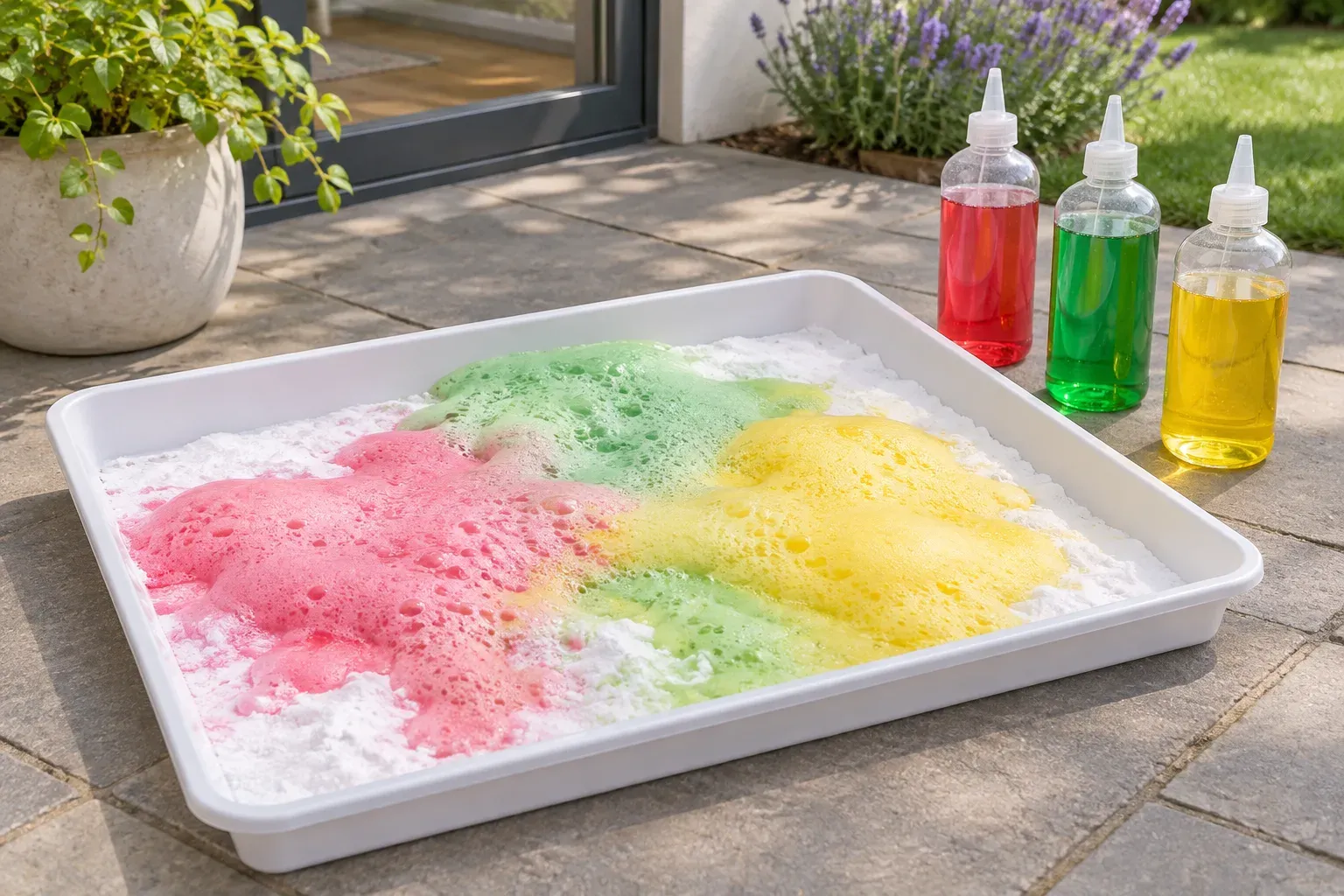 Learning Fizzing colour tray Squirt coloured vinegar onto a tray of bicarbonate of soda and watch it fizz and foam.
Where to start
- Picture dice storytelling
Each player adds the next bit, so a reluctant talker only has to manage one sentence at a time, and the stories get gloriously silly.
Learning - Sock pairing game
Matching by colour, pattern and size with a pile of clean socks, and the washing gets sorted at the same time.
Learning - Floor graph of toys
Lining toys up in taped columns lets them see which row is longest before they can count that high.
Learning
Follow what they already care about
A child obsessed with trucks will count trucks happily and ignore counters entirely, so build on whatever is filling their head this month. The Floor graph of toys works with any collection, from dinosaurs to hair clips. A starting sound hunt lands better when the sound is the first letter of their own name, or the dog's. If you notice them sorting the washing by colour or lining up cars by size, that is the moment to bring out Colour sorting onto paper, not the morning you had planned it.
Stopping while it still works
Five minutes of letter matching that ends with them wanting more beats twenty that ends in tears. Watch for the signs: lying flat on the floor, deliberately wrong answers, a sudden deep interest in the cat. Pack it away cheerfully and try again another day. It also helps not to quiz. Saying 'I wonder which one is the b' gets a far better response than 'what letter is this?', which most children hear as a test they might fail.
Keeping it right for toddlers
Several of these use magnetic letters, dice, buttons or a big magnet, which suit threes and up and need putting away afterwards if there is a baby or toddler in the house. For under-threes stick with the chunky ones: board books, shape sorters, first jigsaws, the funny faces mirror and the animal sounds game. They cover colours, shapes and naming things just as well, without anything small enough to swallow.
Parents ask
- My child refuses anything that feels like a lesson. What then?
- Lean on the ones that look like games, such as the hunts and the storytelling, and do them without announcing what they are for. Children usually push back against the quizzing, not the activity.
- Do I need to buy flashcards or letter sets?
- No. Sticky notes, paper plates, a pen and the toys you already own cover most of these, and foam or magnetic letters are a nice extra rather than a must.
- How often should we do this sort of thing?
- A few minutes on a few days a week is plenty. Reading together most days matters more than any single game.
Related lists
SensoryArtBig movementLittle handsWater playNaturePretend playMusicBuildingKitchenGames