Activities With Sponges
A new kitchen sponge costs next to nothing and soaks, squeezes and stamps better than most toys. Here are eleven ways to use one, from a toddler squeezing water between two bowls to preschoolers lobbing soaking sponge bombs at a chalk target on the patio.
11 ideas
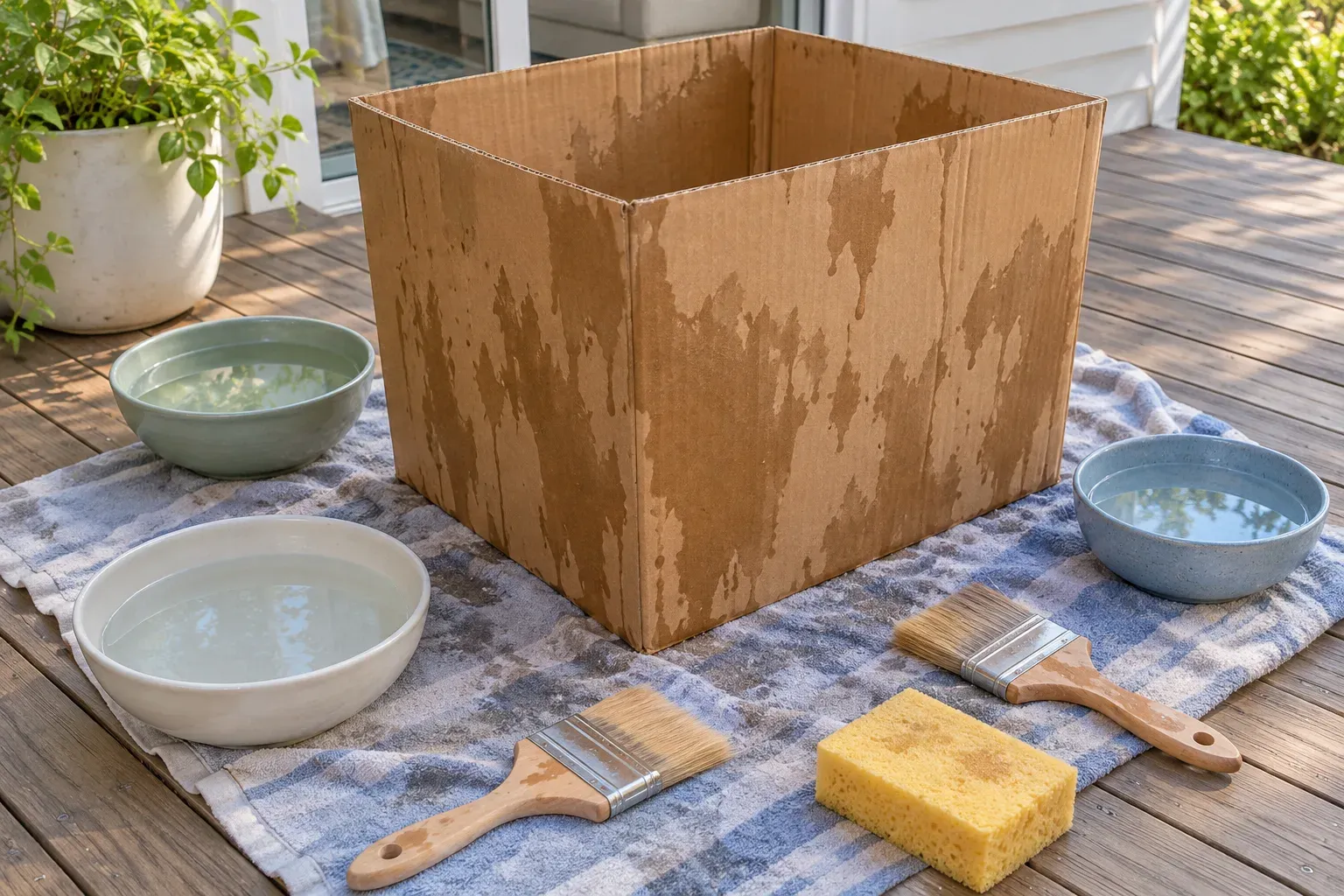 Pretend play Washing a cardboard box Paint and scrub a big cardboard box with wet brushes and sponges, using bowls of water and towels underneath.
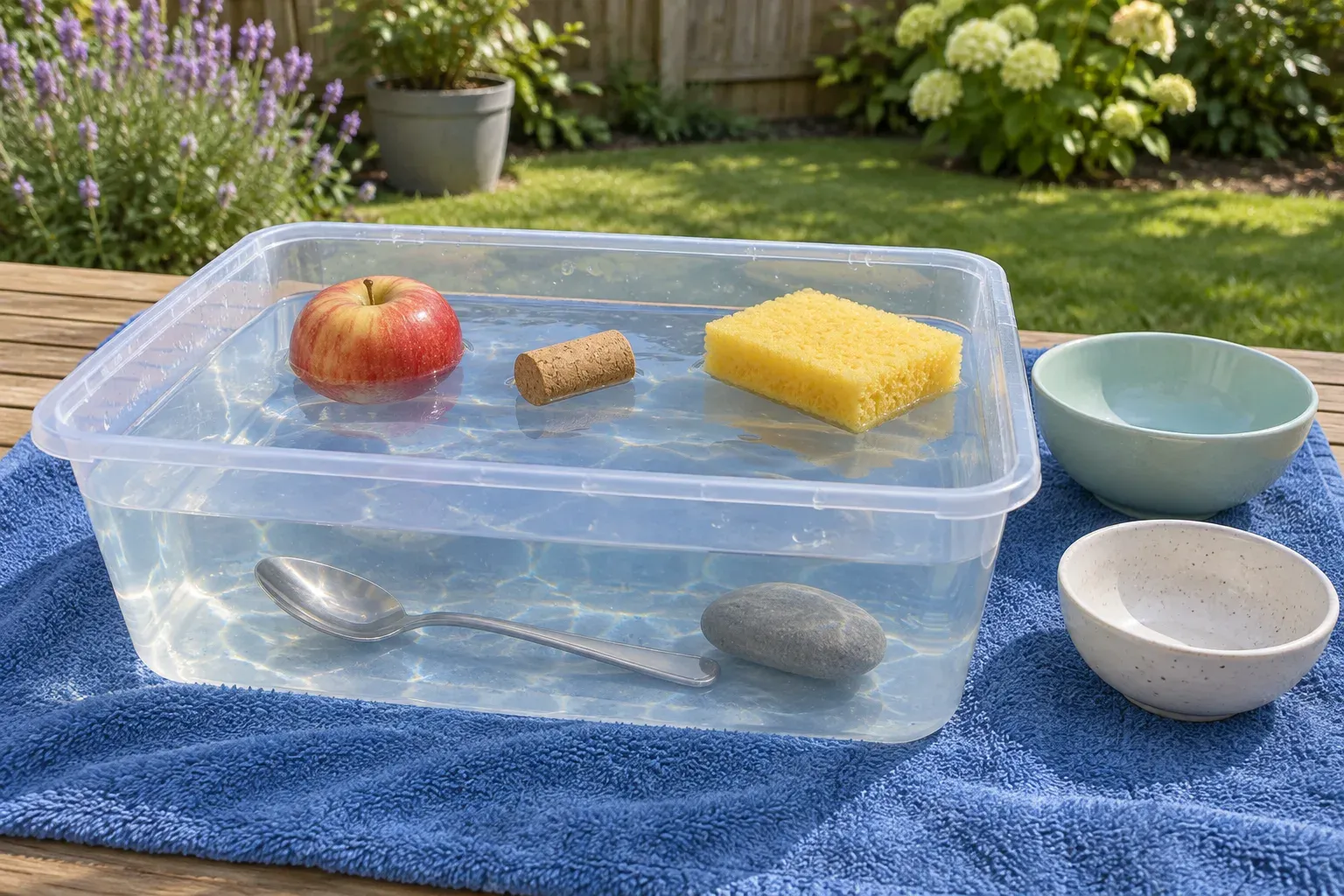 Learning Sink or float Guess whether everyday objects will sink or float, then drop each one into a tub of water to check.
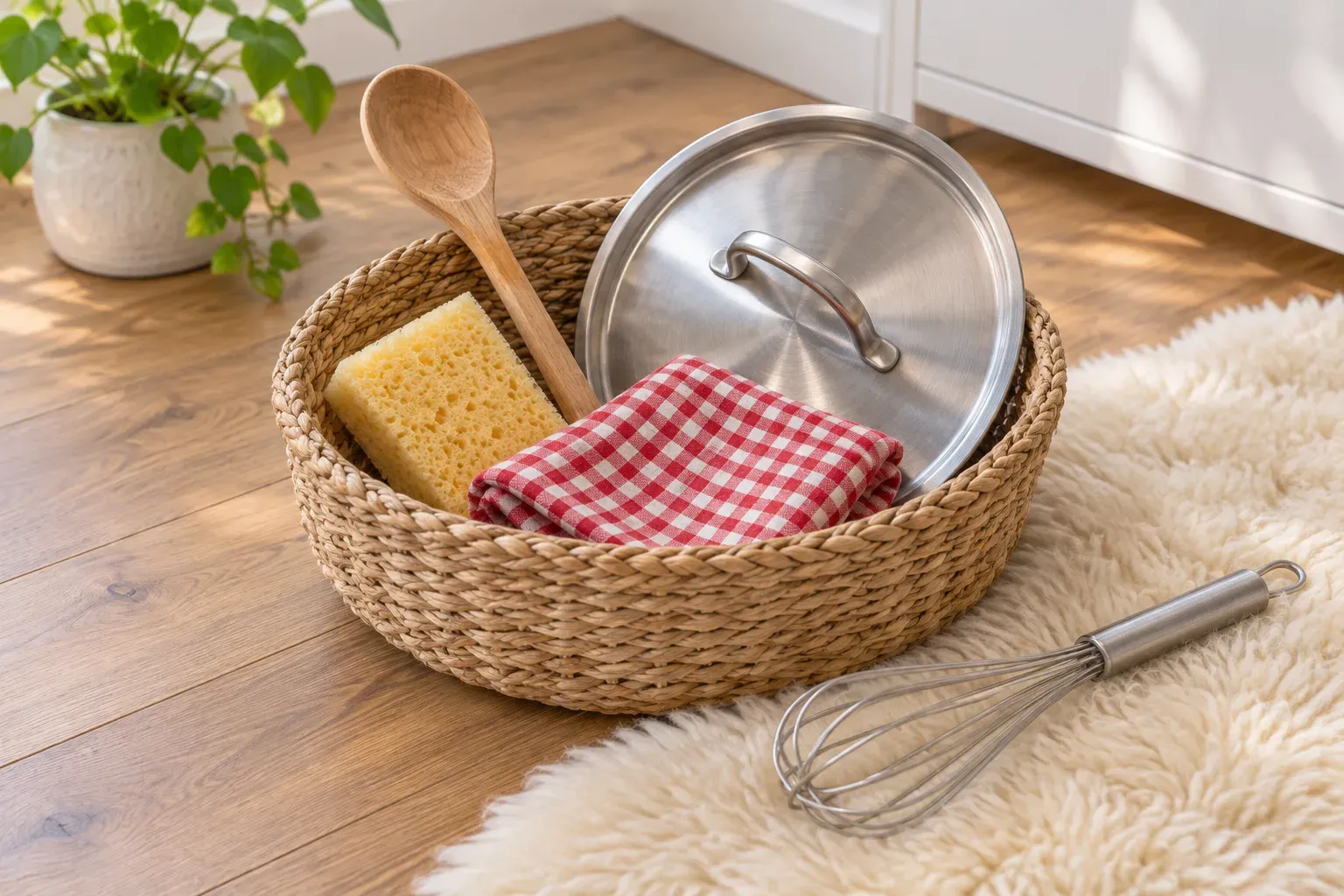 Sensory Household discovery basket Fill a low basket with a wooden spoon, whisk, sponge and fabric, and let little hands pick, bang and inspect.
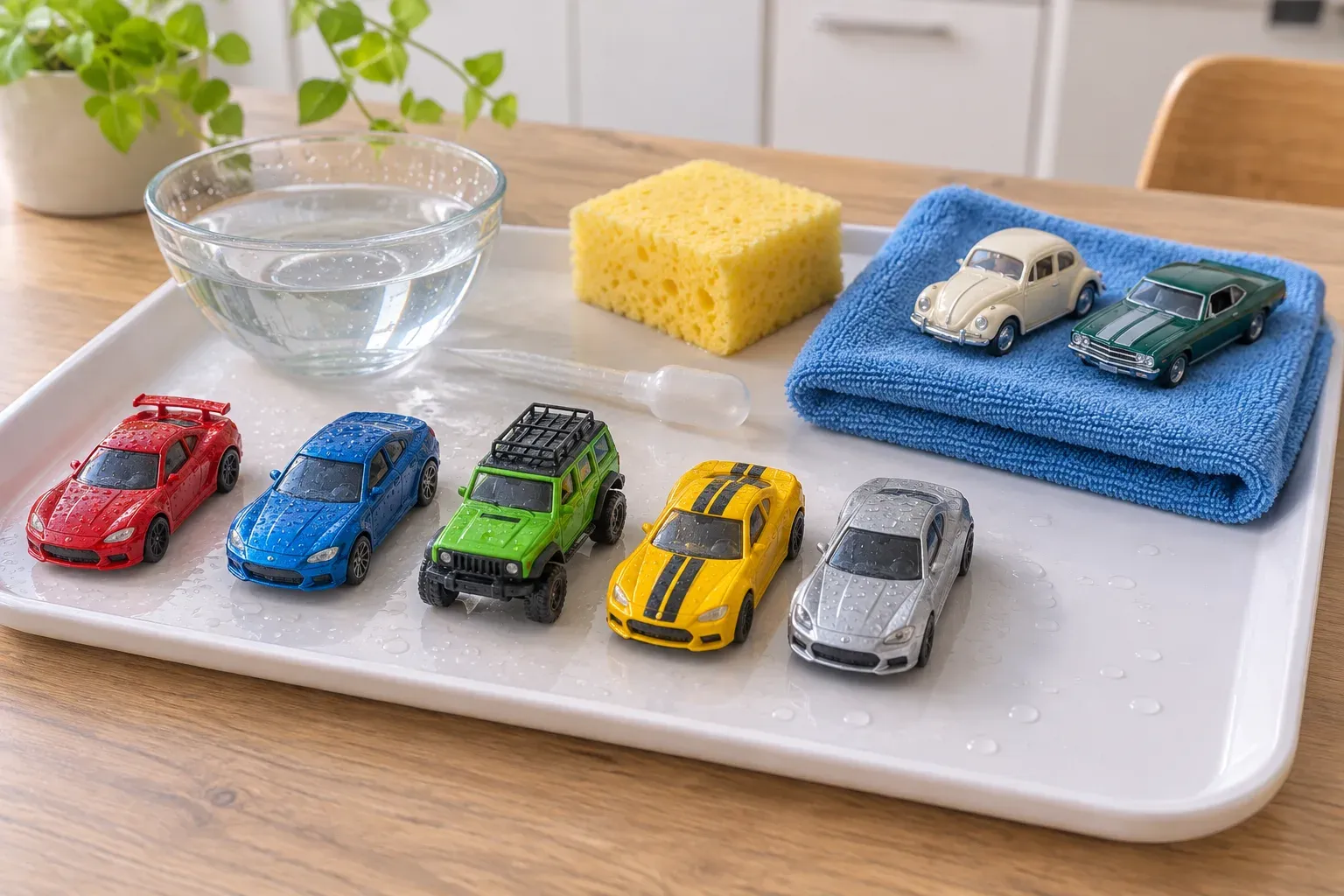 Water play Dropper car wash Squeeze water from a dropper over toy cars lined up on a tray, then rub each one dry with a cloth.
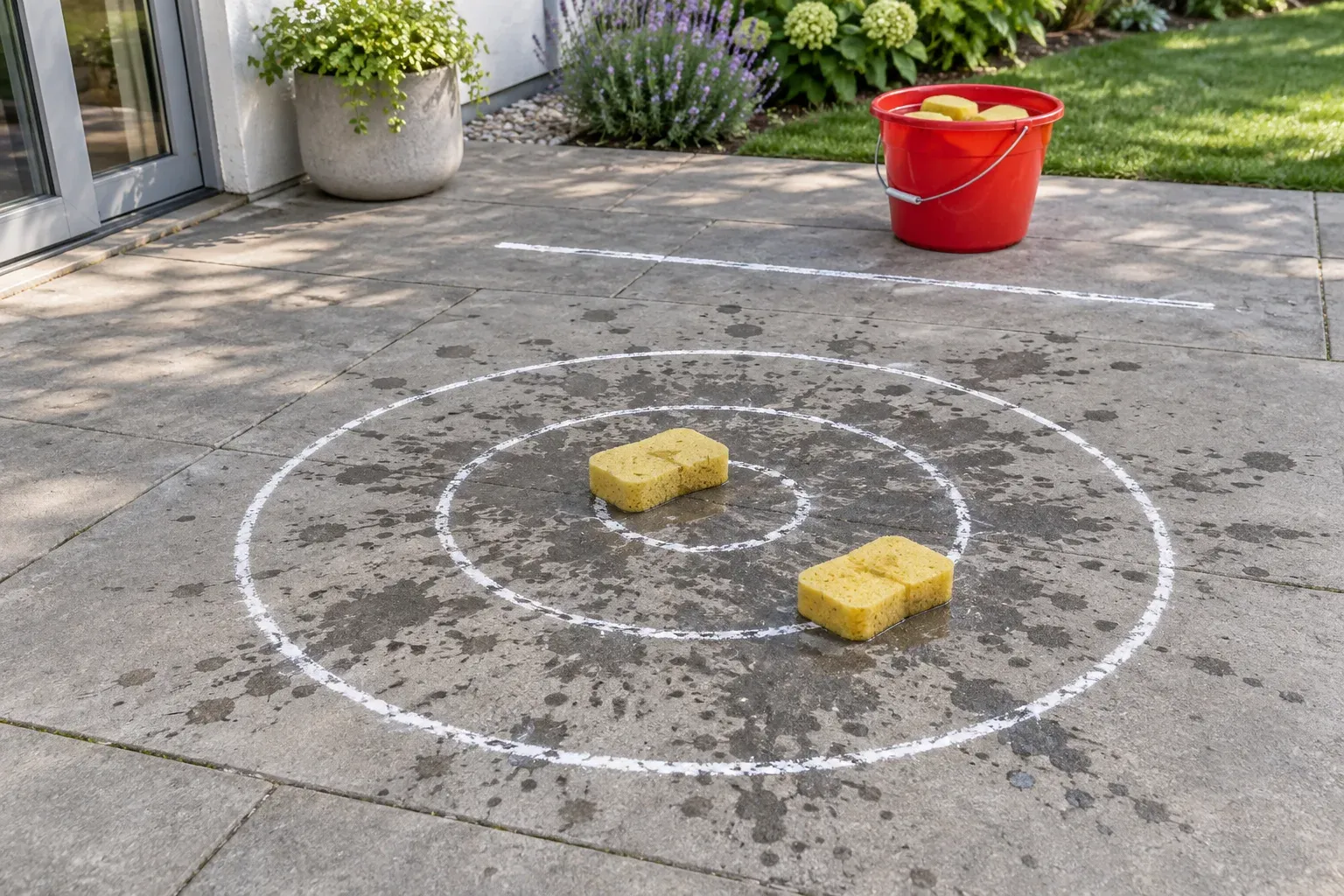 Big movement Wet sponge throwing target Draw a ring target on paving or plastic, then take turns throwing wet sponges and see where the splats land.
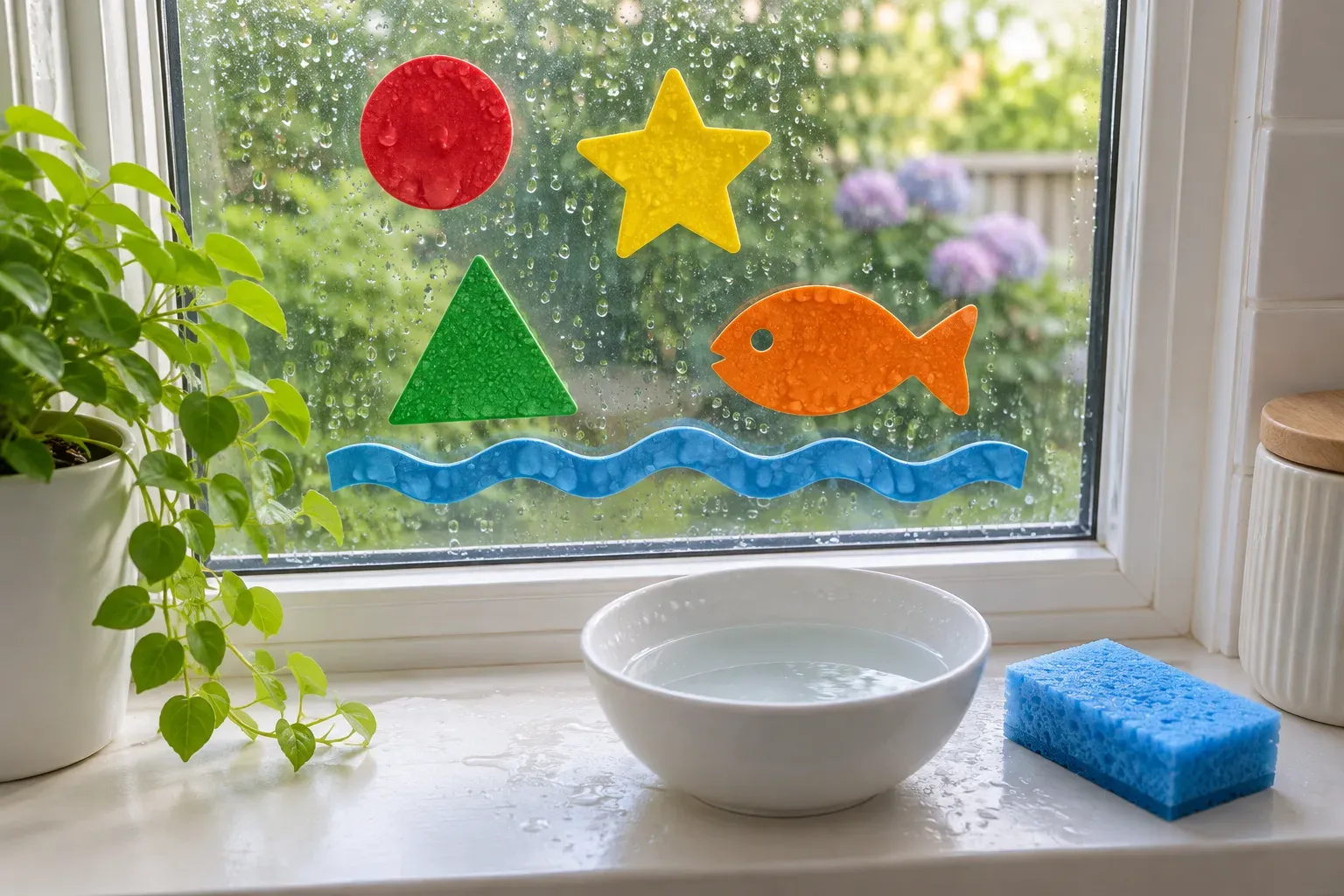 Water play Foam shapes on the window Cut shapes from craft foam, dip them in water and stick them on a window or bath tiles.
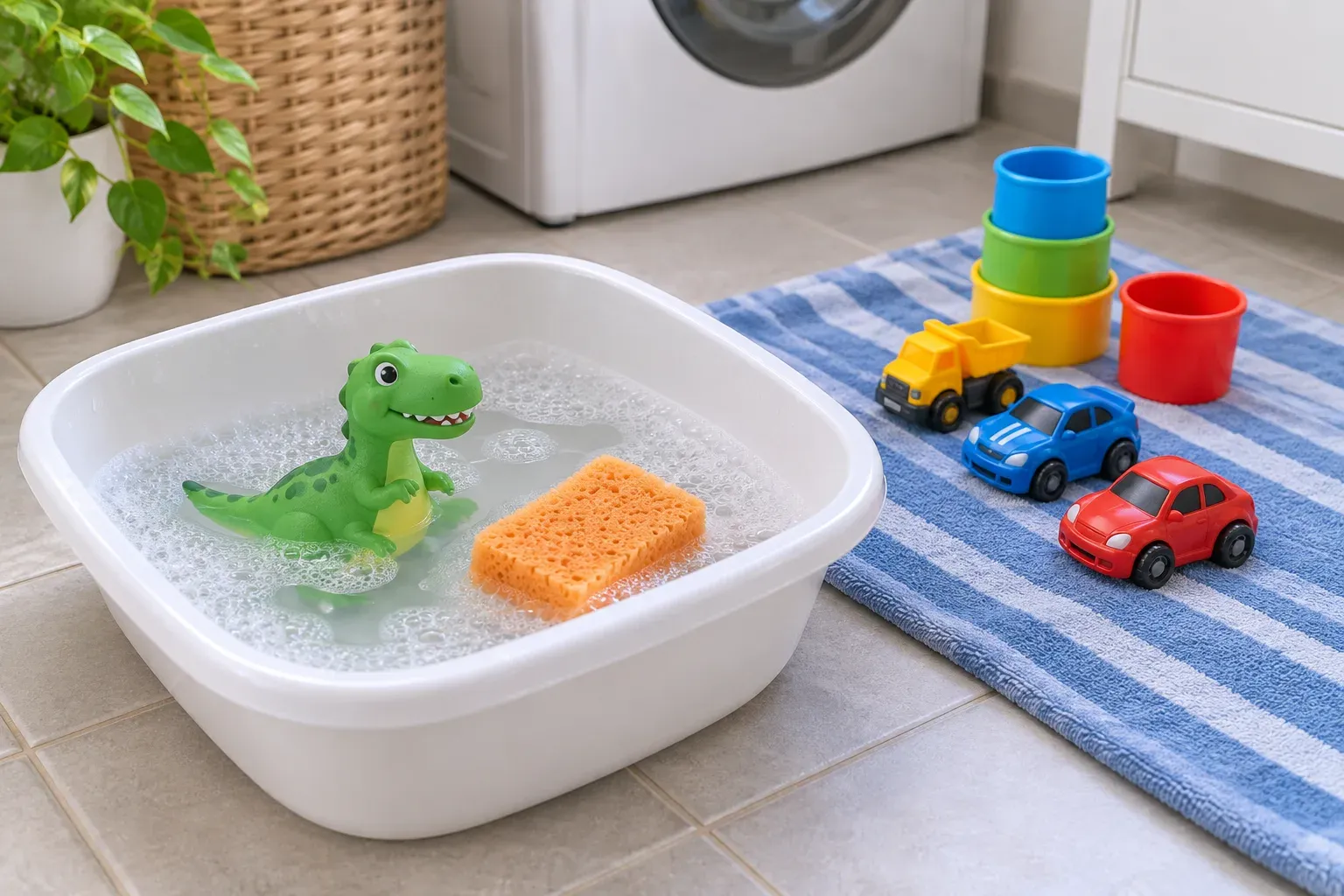 Water play Soapy toy wash Scrub plastic toys in a tub of warm soapy water, rinse them, and line them up on a towel to dry.
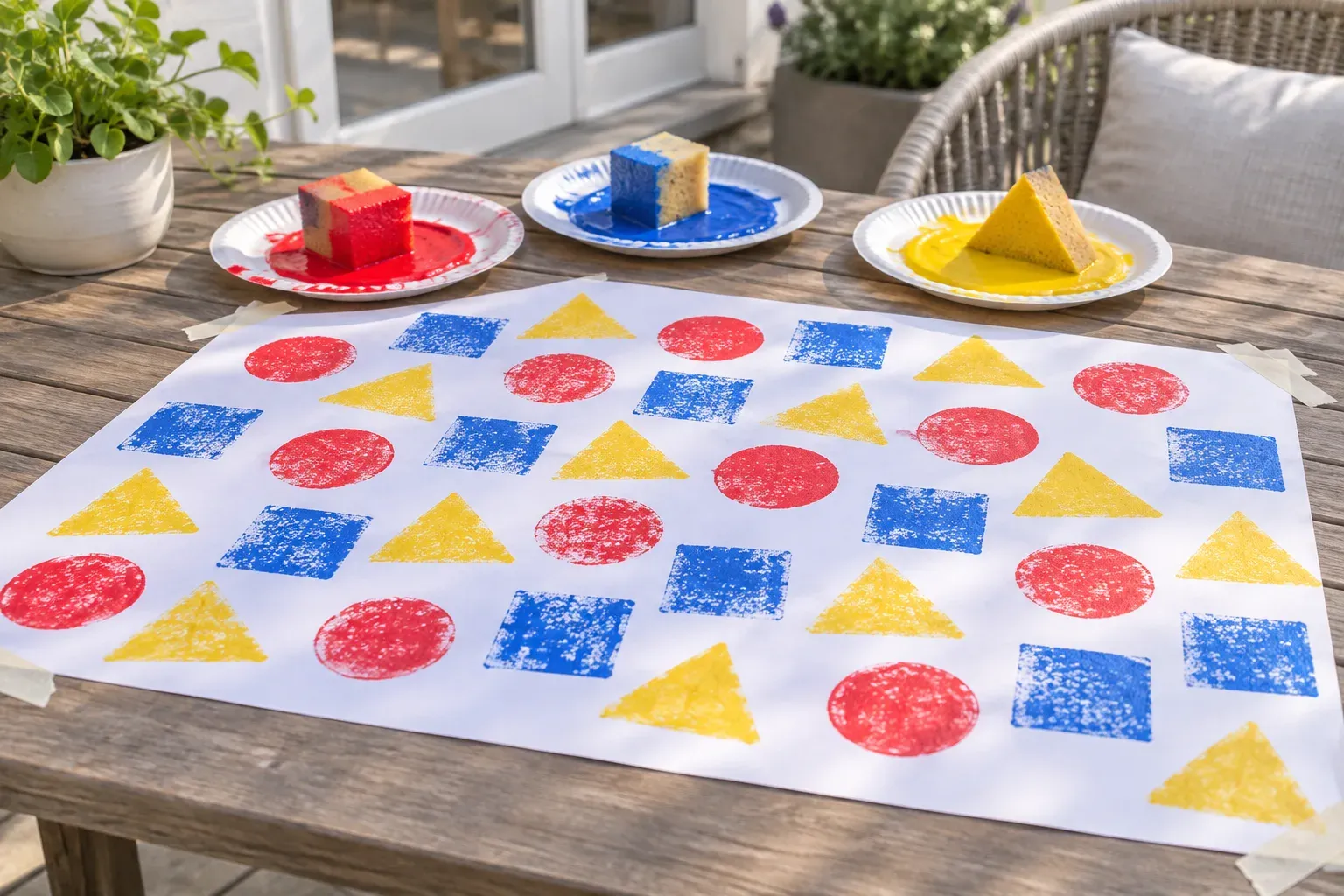 Art Sponge stamp painting Dip chunky sponge shapes in paint and stamp them across a big sheet of paper to make patterns and pictures.
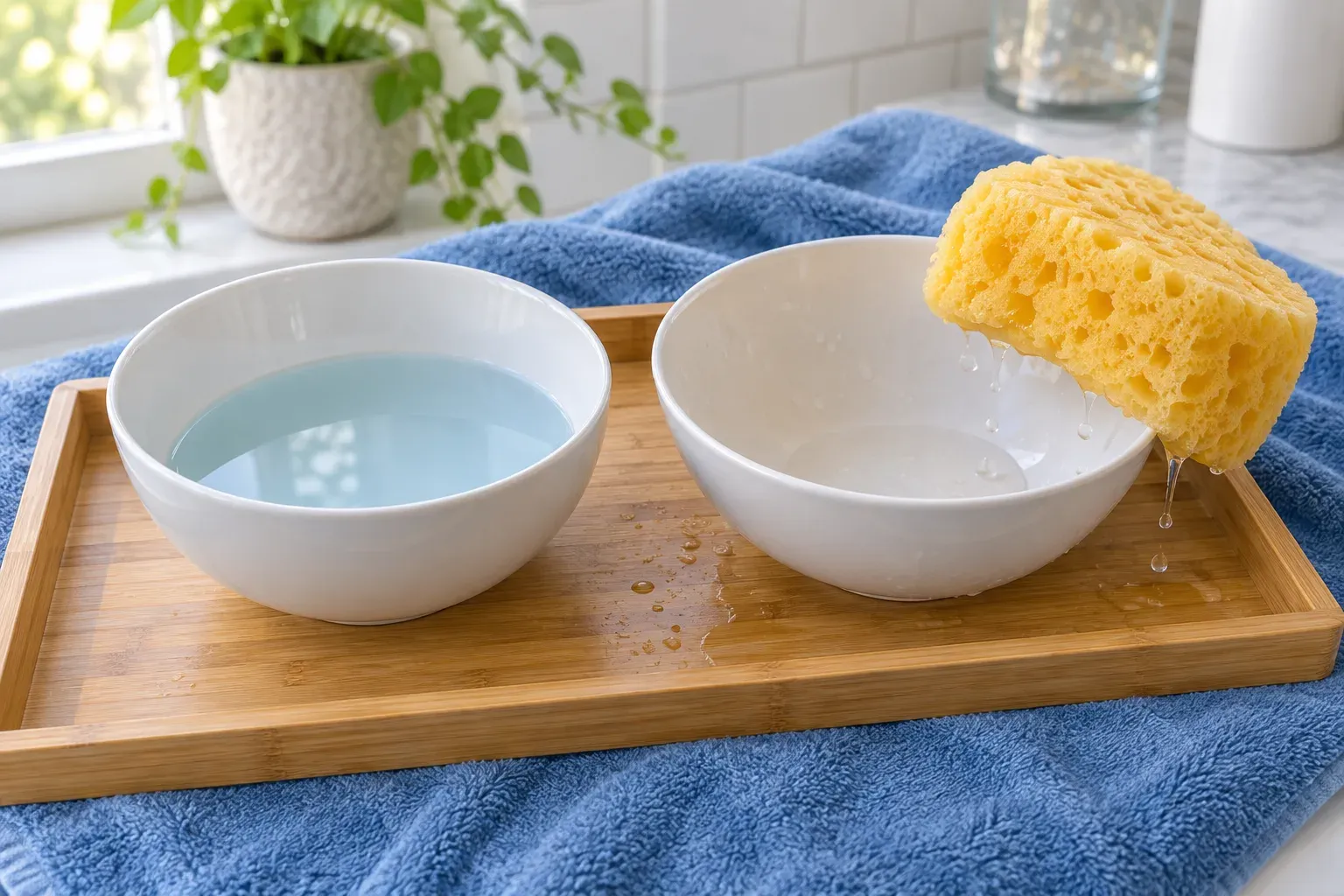 Water play Sponge water transfer Soak a sponge in one bowl of water, carry it over and squeeze it out into an empty one.
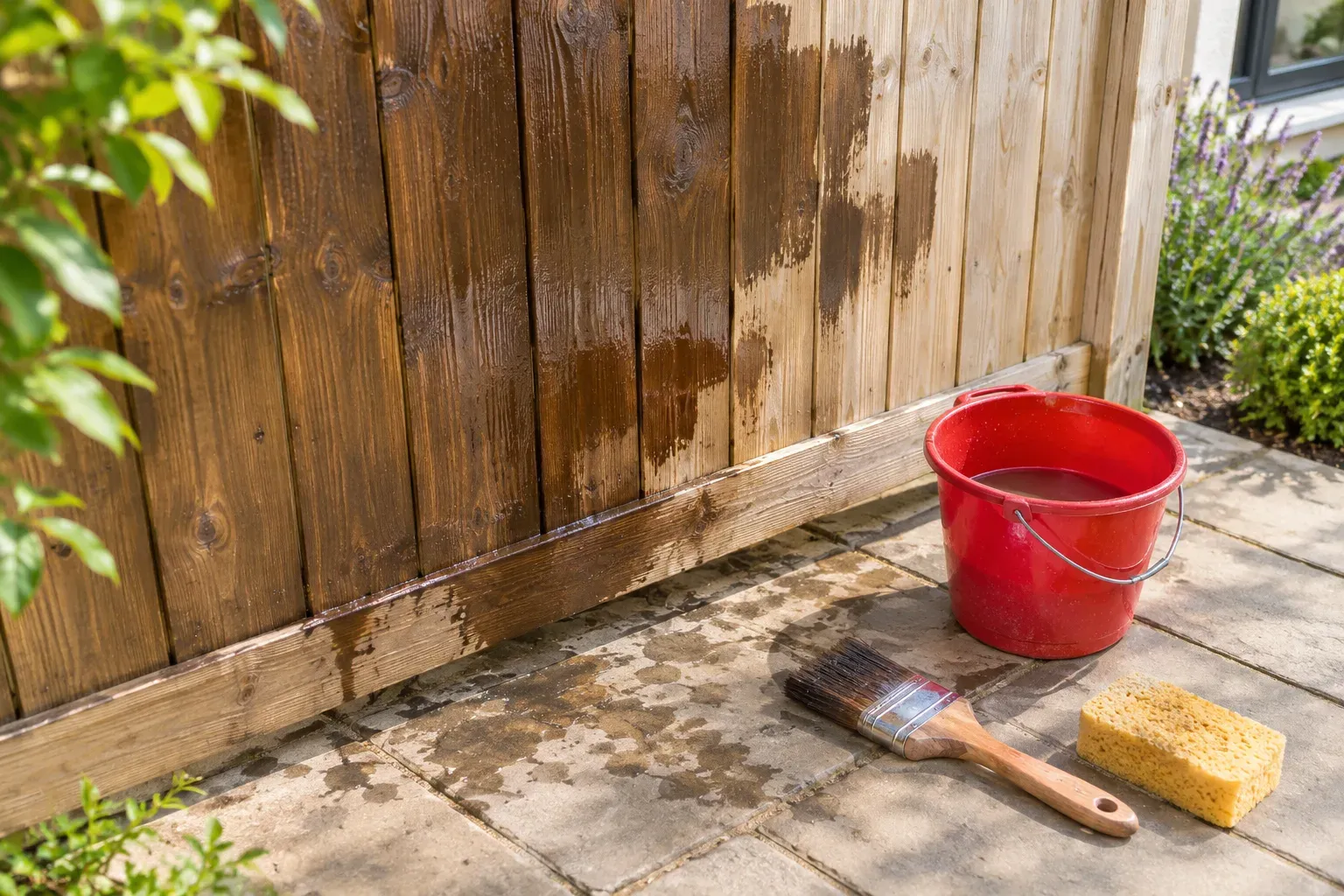 Water play Painting with water Dip big brushes in a bucket of water and paint the fence, walls and pavement, then watch the marks dry away.
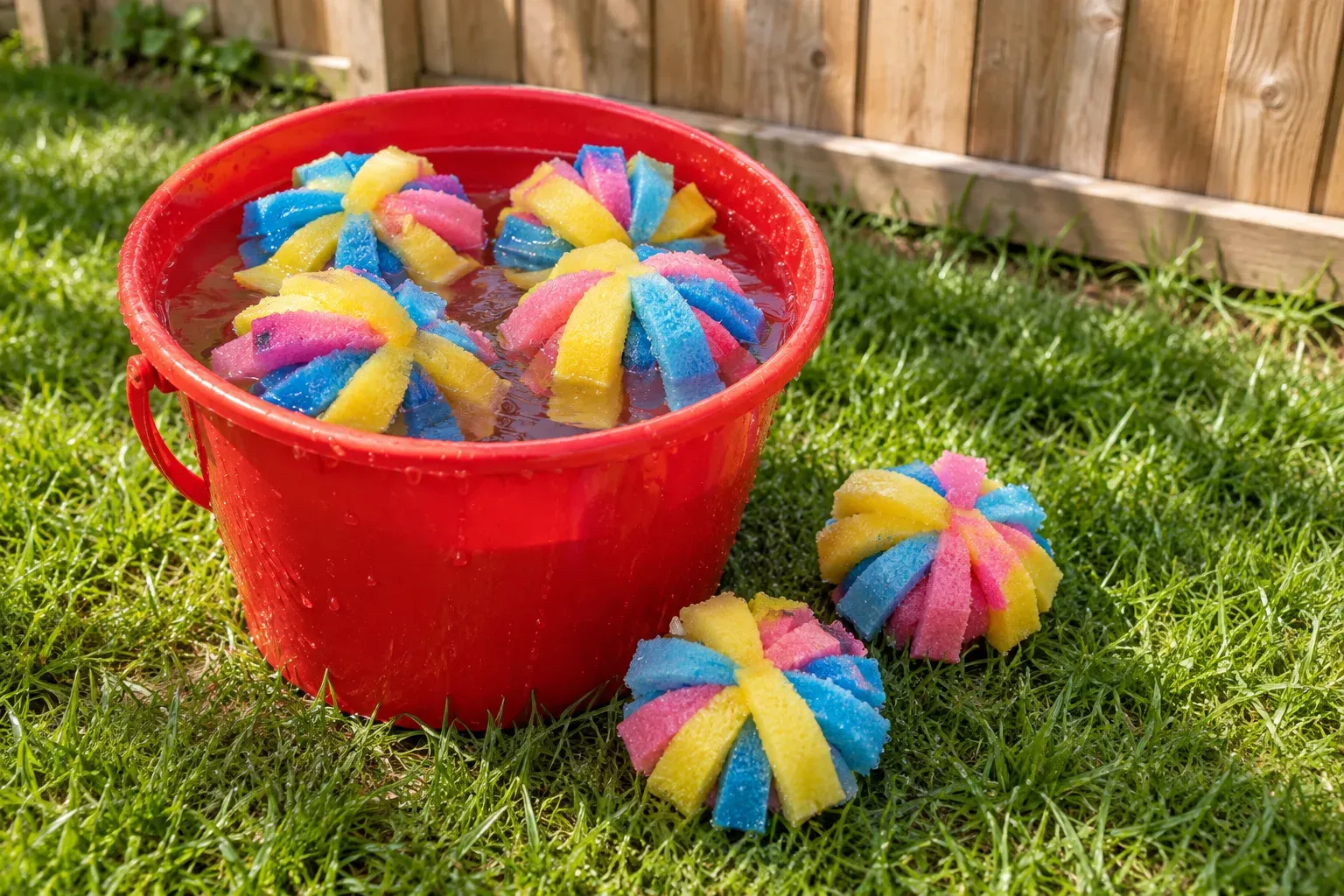 Water play Sponge water bombs Cut kitchen sponges into strips, tie them into fluffy bundles, soak them in a bucket and throw them for a splashy game.
Where to start
- Sponge water transfer
Two bowls and one big sponge give toddlers the whole squeeze-and-drip show, and a drop of food colouring makes the water easy to follow.
Water play - Wet sponge throwing target
Chalk rings on the paving give preschoolers something to aim at, and the splats dry away before anyone has to clean up.
Big movement - Washing a cardboard box
Suits one to five year olds, uses whatever box came in the post, and keeps them scrubbing far longer than you would expect.
Pretend play
Keep a separate pack for play
Sponges from the washing up carry grease and detergent you do not want on a toddler's hands or in their mouth, so buy a pack just for play and keep it with the bath toys or the art box. Whole, new sponges are best for under-threes, who may try biting off a corner. Older children can have sponges cut into shapes for stamping or strips tied into water bombs, with the cutting done by you. Rinse them well after paint and dry them in the sun so they do not go sour.
Where all that water ends up
A wet sponge holds more water than seems possible, and a two year old will find out exactly how much on your floor. Indoors, put a tray on a towel and give only a little water at a time; the refills become part of the game. Better still, do the squeezing in the bath, on the back step or at the patio table. Stay within arm's reach whenever there is a bowl or bucket out, and tip it away as soon as play ends, however shallow it looks.
Hot afternoons and grey mornings
On a hot afternoon, painting with water or the wet sponge throwing target cools everyone down, and the evidence dries in minutes. Sponge water bombs need grass, swimmers and a rule that throws stay below the shoulders. On a wet weekday indoors, try foam shapes on the window, a soapy toy wash at the sink or sponge stamp painting at the table. Sink or float suits the in-between days, when you want something calm that still involves a tub of water.
Parents ask
- How do I stop my toddler sucking water out of the sponge?
- You probably will not stop the first go, so use clean tap water and a new sponge. If it keeps happening, switch to the stamping or throwing games, where the sponge spends less time near a mouth.
- Are natural sea sponges better for play?
- Not really. They are pricey and can crumble, while cheap kitchen or car-washing sponges are tougher and easier to cut into shapes.
Related lists
With pom-pomsWith a cardboard boxWith tapeWith paintWith chalkWith paperWith blocksWith toy carsWith riceWith play doughWith iceWith stickers