Water play
Wind and water experiments
Hold scarves up in the breeze, spray water down a fence, and pour through a funnel to compare speeds.
- Age
- 3 to 6 years
- Play time
- 20 min
- Set-up
- 5 min prep
- Where
- Outdoors
- Who
- Any number of kids
- Clean-up
- Medium mess
Breezy days are underrated. A scarf held up by one corner shows a three-year-old something they can feel but not see, and letting go of it produces a chase across the grass. The water half is quieter: spraying the fence, pouring through the funnel, guessing what will happen. It works best when you ask and they answer, and the guesses are often gloriously wrong. Expect wet cuffs and a scarf in the hedge.
How to play
-
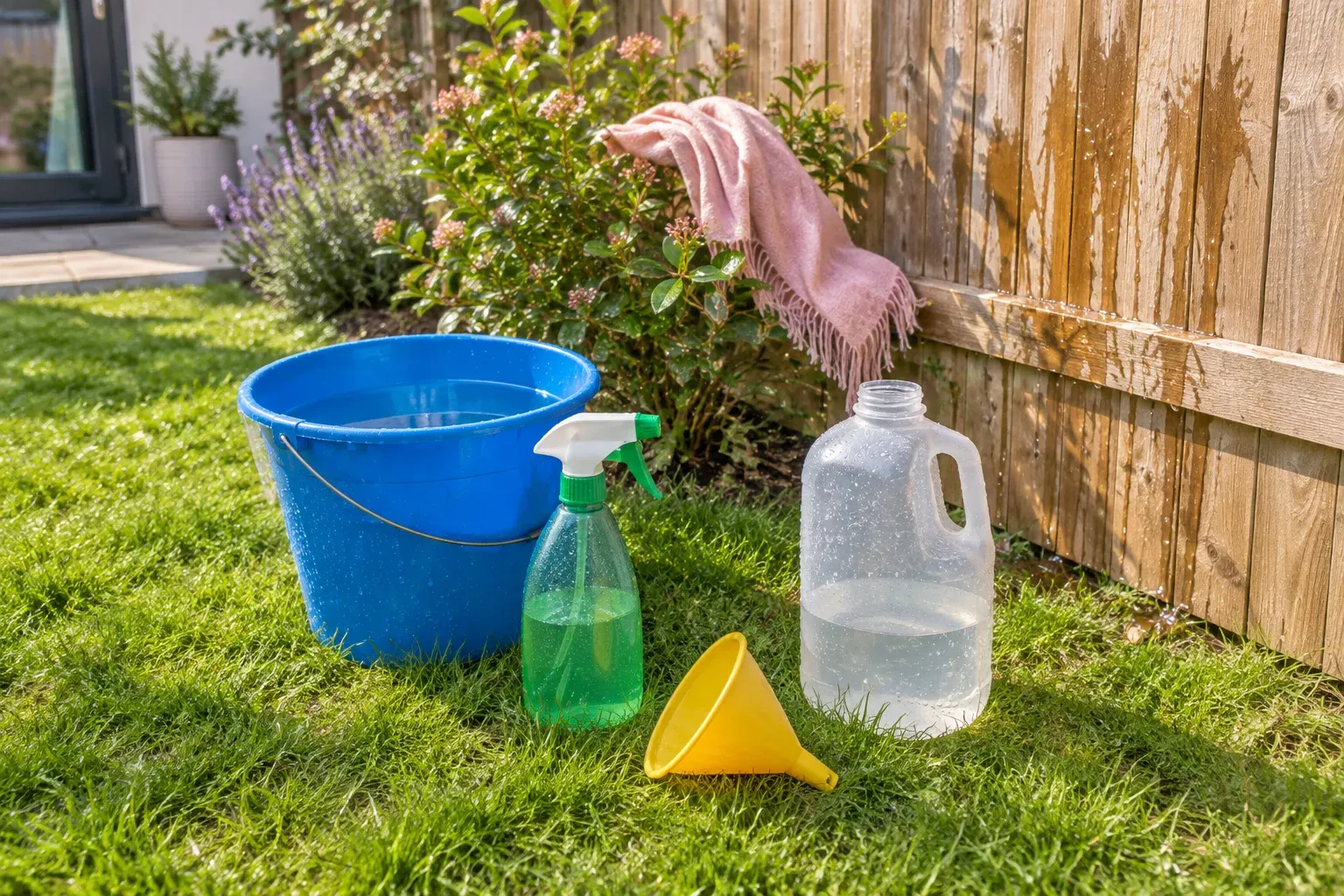
Half-fill a bucket with water and set it near a fence, with the scarves, spray bottle, funnel and jug beside it. Fill the spray bottle.
-
Start with the wind. Hold a scarf up high by one corner and watch which way it blows, then let your child try in different spots around the garden.
-
Let go of a scarf and see where the breeze carries it.
-
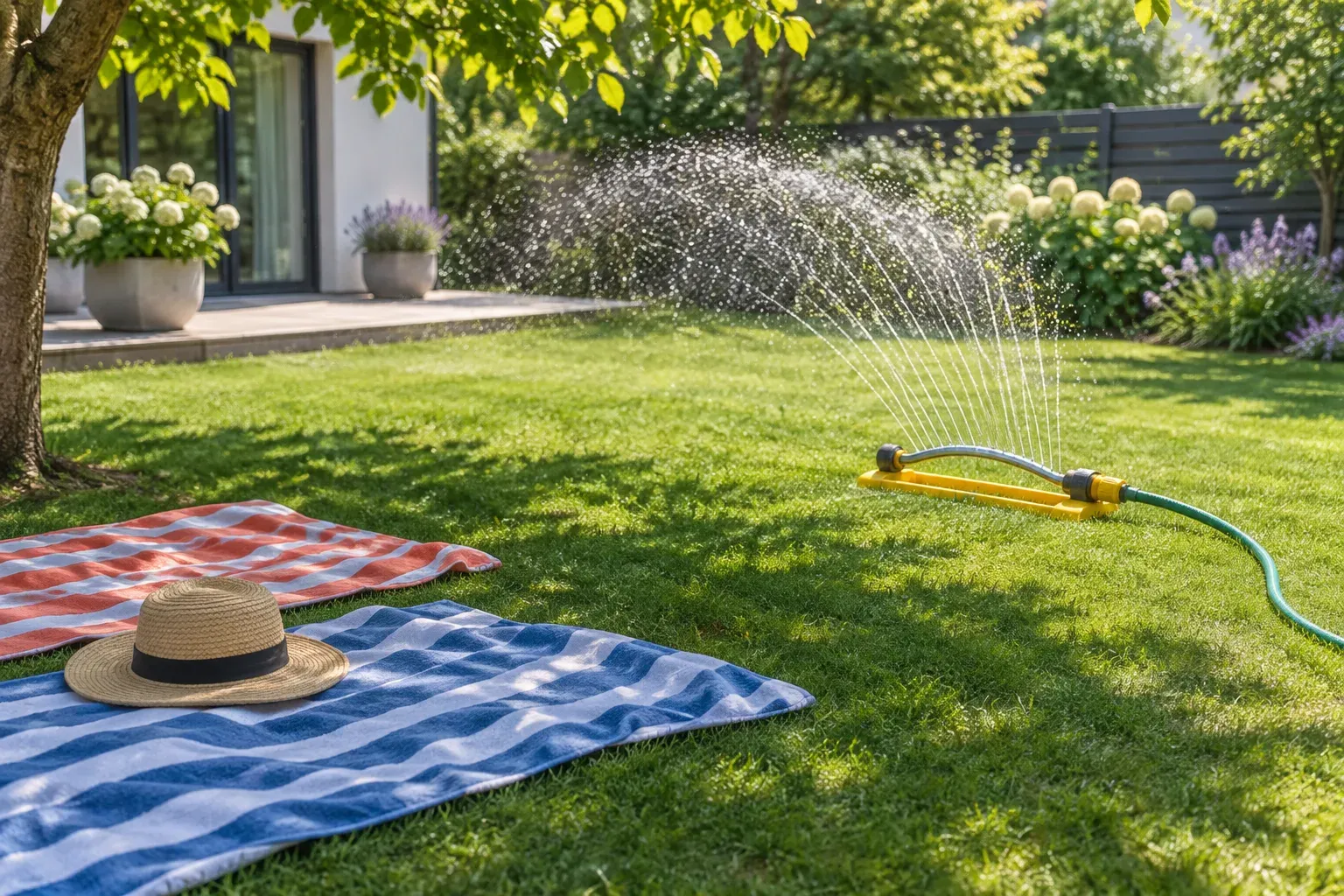
Move on to water. Spray the fence and watch the drops join up and run down. Try a little spray and then a lot.
-
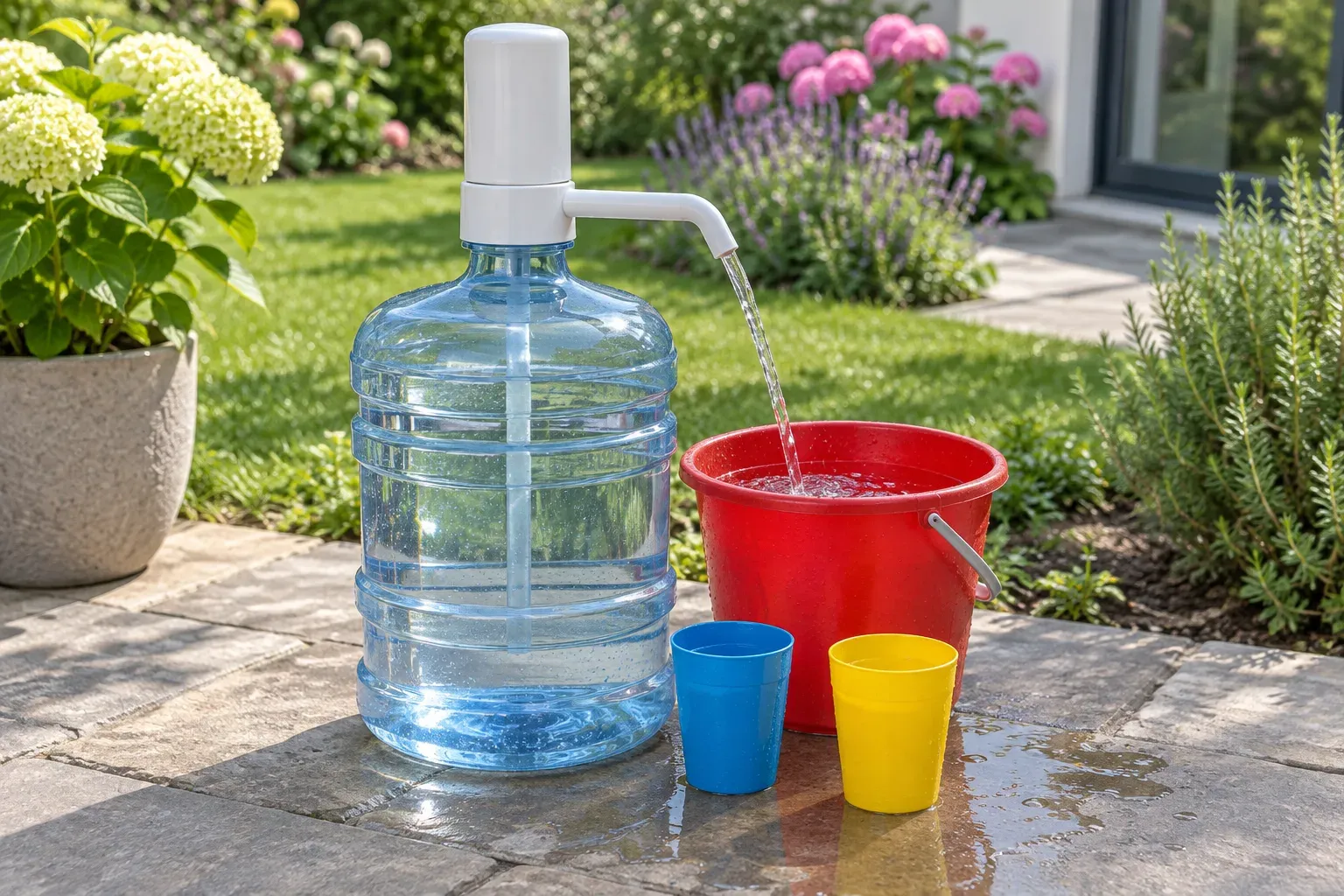
Hold the funnel over the bucket while your child fills the jug and pours through it. Pour slowly, then quickly, and compare how fast the water comes out.
-
Ask your child what they think will happen before each try. Tip the bucket out when you finish.
What you need
- light scarves
- spray bottle
- funnel
- jug
- bucket of water
Don't have it?
- No light scarves? A tea towel, a ribbon or a length of toilet paper shows the wind.
- No spray bottle? Flick water from a paintbrush or squeeze a wet sponge against the fence.
- No funnel? An adult can cut the top third off a plastic bottle and turn it upside down.
Stay close
Supervise around the bucket.
What they are practising
- problem solving. Guessing what the scarf or the water will do, then watching to see, is a small test your child runs again and again.
- sensory exploration. Wind on the face, a scarf tugging in the hand and cold water running over fingers are all felt directly.
- language. Describing what happened brings in words such as fast, slow, drip, pour, blow and float.
Make it easier
With a three-year-old, do one thing at a time and keep it physical: run with the scarf, then spray the fence, and do not worry about predictions.
Make it harder
Ask a six-year-old to find the windiest and stillest spots, time how long a full jug takes to pass through the funnel, and draw what they found.
Parents ask
- There is no wind today. Is it worth doing?
- Do the water half, and make your own wind for the scarf by running with it or flapping a piece of cardboard. Then try again on a gusty day and compare.
- What sort of questions should I ask?
- Simple ones with no wrong answer: 'which way will it go?' or 'will a big spray run faster than a small one?' Then try it and say what you both saw, without correcting the guess.
- My child just wants to spray everything, including me. How do I rein it in?
- Give them five minutes of free spraying at the fence first to get it out of their system. A clear rule about no faces, and no people who say no, is fair at this age.
Find more like this
3 year olds4 year olds5 year oldsOutdoorsWater playWith scarves